
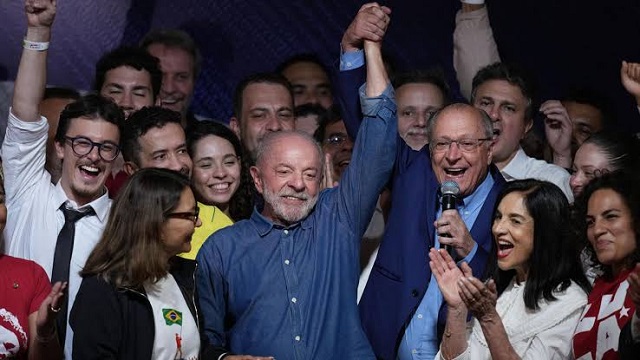
Brazil Elects Left-Wing Leader Lula Da Silva for Fourth Term
Luiz Inácio Lula da Silva, widely known as Lula, is one of the most influential political leaders in Brazil. A prominent left-wing politician, Lula returned to the presidency in 2023 after defeating his political rival Jair Bolsonaro in the 2022 presidential election. His victory marked a major moment in Brazilian politics, as he returned to the country’s highest office after previously serving as president from 2003 to 2010.
Lula’s political journey has been shaped by his focus on reducing poverty, improving living conditions for low-income families and expanding access to public services. Coming from a working-class background, he built a strong connection with workers and poorer communities. His political message has often focused on economic equality, social welfare and creating better opportunities for people who face financial difficulties.
During his first two terms as president, Lula introduced several social programmes aimed at helping low-income families. His government expanded financial assistance programmes, including Bolsa Família, which provides support to eligible families facing poverty. These measures helped bring social welfare and poverty reduction to the centre of Brazil’s national political debate. His administration also supported efforts to improve access to education, healthcare and employment opportunities.
However, Lula’s political career has not been without controversy. His earlier governments faced major corruption scandals that affected public confidence in Brazilian politics. These controversies became important issues during later election campaigns and contributed to political divisions across the country. Lula has denied wrongdoing in the cases involving him, and court decisions later overturned the convictions that had prevented him from running for president in 2018.
Environmental protection has also been a major issue during Lula’s time in office. The Amazon rainforest is important not only for Brazil but also for the global environment because it stores large amounts of carbon and supports a wide range of plant and animal life. Lula has promised to strengthen measures against illegal deforestation and improve environmental protection. At the same time, his government has faced the challenge of balancing conservation efforts with agriculture, mining, infrastructure development and the economic needs of local communities.
Lula’s return to the presidency in January 2023 brought renewed attention to Brazil’s economic and social priorities. His government has focused on improving employment, supporting low-income households, encouraging investment and strengthening public services. However, economic growth, inflation, public spending and government debt remain important issues that require careful management.
International relations are another important part of Lula’s political agenda. He has supported stronger cooperation between developing countries, particularly across Latin America, Africa and Asia. He has also called for greater representation of developing nations in international institutions and promoted trade and diplomatic cooperation with countries in the Global South.
Climate change has remained a key part of Lula’s international message. He has called for greater global action to protect forests, reduce environmental damage and support sustainable development. Brazil’s role in protecting the Amazon has attracted international attention, making environmental policy an important part of the country’s relationship with other nations.
Despite his political experience, Lula continues to face challenges at home. Brazil remains politically divided, and his government must work with Congress to pass important laws and implement its plans. Different views on taxation, public spending, environmental regulations and social policies can make decision-making difficult.
Looking ahead, Lula’s political legacy will depend on how effectively his government addresses poverty, creates jobs, supports economic growth and protects the environment. His administration will also need to respond to public concerns about corruption, government spending and the cost of living.
Lula remains a major figure in Brazilian and international politics. His return to power reflects the continuing importance of social welfare and economic equality in Brazil’s political debate. The success of his policies will depend on whether they deliver lasting improvements in people’s lives while supporting a stable economy and protecting the country’s natural resources.