
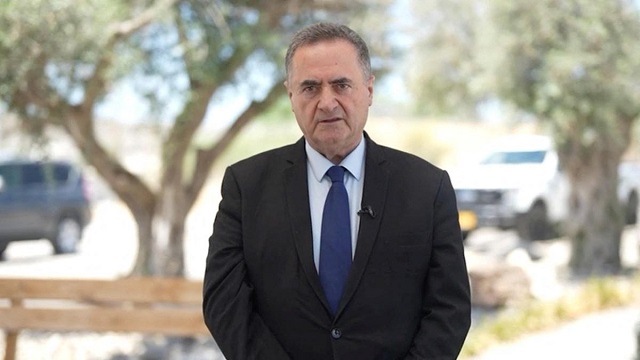
Israeli Defense Minister Warns Iran Developing Chemical Weapons
Israeli Defence Minister Israel Katz has warned that Iran is working towards developing chemical weapons and said Israel would take steps to prevent Tehran from obtaining such weapons. Speaking on November 24, Katz said Iran’s efforts were still at an early stage and that the country did not yet have the capability to launch a direct chemical weapons attack against Israel.
His comments come amid growing concerns over Iran’s military activities and its relationship with Israel. Katz stressed that Israel must remain alert and take early action to prevent any possible threat to its security. He also indicated that Israel could consider a pre-emptive military strike against Iran if the situation required it.
The warning follows a recent report by CNN, which said that US intelligence agencies believe Iran is considering plans to target former officials from the Trump administration using a radioactive weapon known as a dirty bomb in Washington. A dirty bomb is a device that combines conventional explosives with radioactive material to spread contamination.
However, unnamed sources cited in the report described the alleged plans as an effort by Iran to expand its possible options rather than an immediate threat. The report has raised concerns about potential security risks and increased tensions between the countries.
Iranian Foreign Minister Abbas Araghchi rejected the claims and described the report as propaganda. He compared the allegations to information circulated before the Iraq War and suggested that Israel could be involved in spreading such claims. Iran has continued to reject accusations regarding its intentions to develop or use such weapons.
Meanwhile, the issue has become part of the political debate within Israel as the country faces uncertainty over government formation following recent elections. Prime Minister Benjamin Netanyahu and his political rival Gadi Eisenkot are competing to form the next government.
Netanyahu has repeatedly highlighted the threat from Iran and has supported the idea of forming a unity government that would include his Likud party. He has argued that security challenges require cooperation among different political groups.
Eisenkot, who is leading efforts to form a new government, also described Iran as a serious security threat to Israel. However, on November 23, he said he did not see an immediate need for military action against Iran before a new government was officially formed.
Earlier this year, US President Donald Trump reportedly considered military action against Iran. However, reports suggested that Netanyahu had advised against an attack before the Israeli elections.
The latest developments highlight the growing tensions between Israel and Iran and the differences in opinion over how to handle the situation. While Israeli officials have stressed the need to prevent Iran from developing dangerous weapons, political leaders have expressed different views on the timing and need for military action.
As discussions over government formation continue in Israel, Iran’s military activities and the possibility of further tensions are expected to remain important issues in the country’s security and foreign policy debates.