
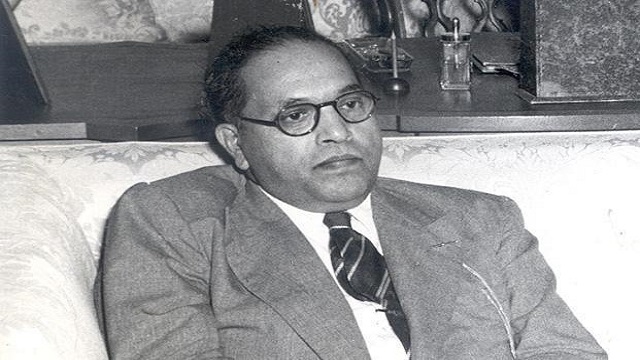
Ambedkar’s Vision on Redistricting and Democracy
As India prepares for delimitation, a regular constitutional process has started a big national discussion. Delimitation means redrawing the boundaries of electoral areas, but it also raises important questions about how democracy works in the country. People are talking about how citizens are represented, how political power is shared, and how unity is maintained across different regions.
At its core, delimitation is based on a simple and important idea: every vote should have equal value. This means that representation in the Lok Sabha should match the population of different areas. Over time, populations change—some places grow faster than others. Because of this, electoral boundaries need to be updated regularly to keep representation fair and balanced.
If delimitation is not done, some areas may have more people but fewer representatives, while others may have fewer people but more representation. This creates imbalance and affects fairness in elections. Updating boundaries helps correct these differences and ensures that each citizen’s vote carries similar weight.
This idea is closely linked to the vision of B. R. Ambedkar, who played a key role in shaping India’s democracy. He strongly believed in equality and universal voting rights, where every citizen has an equal voice in choosing their leaders.
Even today, his vision remains important. As India moves forward with delimitation, the focus is not just on changing boundaries, but also on protecting fairness, equality, and unity in the country’s democratic system.