
China Cuts Tariffs on U.S. Farm Goods, Excluding Soybeans
China has announced lower tariffs on several agricultural products imported from the United States, including corn, wheat, meat and dairy products. However, U.S. soybeans have been left out of the tariff reductions, keeping an additional 10% duty on one of the most important agricultural products traded between the two countries.
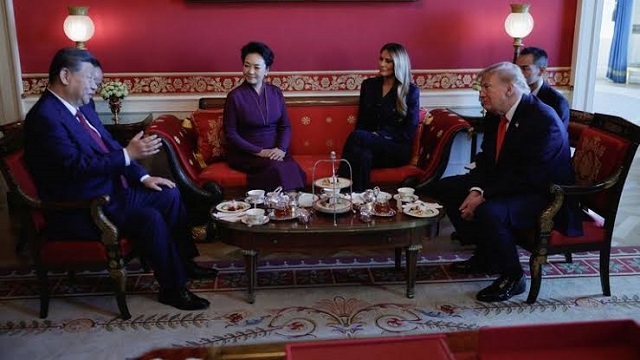
The decision follows a recent meeting between Chinese President Xi Jinping and U.S. President Donald Trump. The two sides have been working to ease trade tensions and stabilize economic relations after years of tariff disputes.
The tariff reductions will cover products such as sorghum, vegetable oils and animal feed, along with various meat and dairy products. The changes are expected to provide some relief to U.S. agricultural exporters and Chinese companies importing these products.
Soybeans, however, remain a major issue in the trade relationship. U.S. soybeans continue to face an additional 10% tariff. Traders have raised concerns that the extra cost could make it difficult for private Chinese companies to purchase large quantities of American soybeans at competitive prices.
Despite the tariff, Chinese state-owned companies have continued buying U.S. soybeans. Companies including Sinograin and COFCO have reportedly purchased more than 12 million metric tons of U.S. soybeans. That amount represents nearly half of the annual purchase target Washington expects China to meet by 2028.
The two countries have also agreed to establish a trade council to discuss further tariff reductions. The discussions will cover around $30 billion worth of products and are intended to provide a mechanism for both sides to address trade issues and improve economic cooperation.
The agricultural products included in Monday’s tariff reductions, announced on September 28, 2026, were worth around $17 billion in trade during 2024. This figure is broadly in line with China’s reported purchase commitments but does not include soybeans.
The soybean issue remains important because the United States had expected China to confirm annual purchase targets through 2028. So far, Beijing has not formally confirmed those targets, leaving some uncertainty over the future volume of soybean purchases.
The latest tariff changes suggest that both countries are taking steps to reduce some trade barriers, but major differences remain. Agricultural trade, particularly soybeans, continues to be an important part of negotiations between Washington and Beijing.
For farmers, traders and agricultural companies, the next round of discussions will be closely watched. Further tariff reductions and clearer purchase commitments could provide greater certainty for U.S. exporters and Chinese buyers while helping both countries manage their wider trade relationship.