
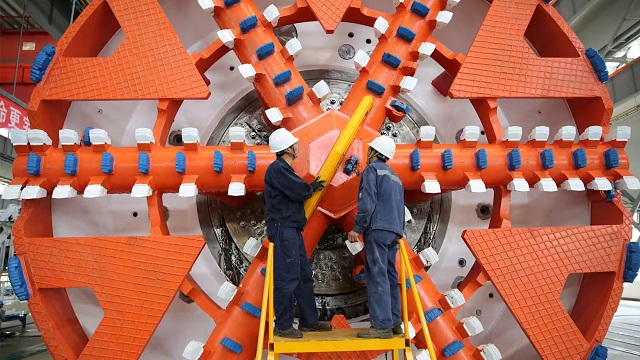
China Limits Exports of Tunnel-Boring Machines
China has announced new export controls on tunnel-boring machines (TBMs), which will come into effect on November 18, 2026. The Chinese government said the decision was taken to protect its national security and national interests. The move could create challenges for countries such as India, which rely on these machines for major infrastructure projects.
Tunnel-boring machines are large and advanced machines used to dig tunnels underground. They play an important role in building metro rail networks, road tunnels, railway tunnels and other infrastructure projects. India uses these machines for several major construction projects, especially in cities where underground metro lines help reduce traffic congestion.
The new restrictions have raised concerns because India has already faced difficulties in importing tunnel-boring machines from China. Problems with these imports have been reported since at least 2024, creating challenges for infrastructure companies that depend on the equipment.
In October 2024, India’s Commerce Minister raised concerns with a visiting German official about China’s decision to block exports of tunnel-boring machines manufactured by a German company operating in China. The issue highlighted the difficulties that foreign companies can face when they manufacture advanced equipment in China and attempt to export it to other countries.
The latest controls could add further uncertainty for companies planning to use Chinese-made machines in construction projects. If approvals take longer or exports are restricted, some projects could face delays and higher costs. However, the actual impact will depend on how the new rules are applied and which machines require export approval.
China’s announcement covers more than tunnel-boring machines. The new measures also include certain drones and advanced technologies related to solar manufacturing and artificial intelligence platforms. These restrictions come after China announced plans to control exports of more than 40 advanced technologies.
The solar energy sector is another area that could be affected. India has been expanding its renewable energy capacity and is working to reduce its dependence on imported products. China is an important supplier of solar equipment and technology to the global market.
Although most solar exports are expected to remain unrestricted under the measures described, controls on newer technologies could create challenges for countries seeking access to advanced manufacturing methods. The impact on India will depend on which technologies are covered and whether alternative suppliers are available.
Artificial intelligence and drone technologies are also becoming increasingly important in civilian industries and national security. Restrictions on these products could affect businesses and research organisations that depend on specialised Chinese technology.
The Chinese government has defended the new controls by pointing to the dual-use nature of the products involved. This means the technologies can be used for civilian purposes but may also have military applications. China has said the measures are intended to protect national security and meet its international non-proliferation obligations.
For India, the announcement highlights the importance of developing alternative sources of advanced machinery and technology. Indian infrastructure companies may need to explore suppliers in other countries, while domestic manufacturers could face greater pressure to develop similar equipment.
However, replacing specialised machines such as tunnel-boring equipment is not always easy. These machines require advanced engineering, significant investment and technical support. Finding alternative suppliers may take time, particularly for projects that already depend on specific equipment.
The new export controls could therefore have implications for India’s infrastructure development, renewable energy ambitions and technology sector. Their long-term effects will depend on the details of the restrictions, the availability of alternative suppliers and India’s ability to strengthen domestic manufacturing.
As the November 18 deadline approaches, businesses and government agencies will need to assess how the new rules affect existing orders and future projects. The development also underlines the growing importance of supply-chain security as countries seek to reduce their dependence on a limited number of foreign suppliers.