
Cleaners of Cities, Losers of Forests: Unveiling Kerala’s Unequal Past
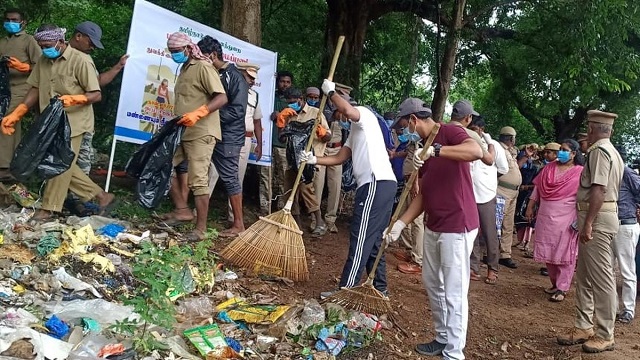
A new encyclopaedia has brought attention to how caste-based policies introduced more than 150 years ago continue to shape modern Kerala. It reveals the harsh realities faced by lower-caste communities during the colonial and princely state periods, when social systems forced many people into degrading and dangerous jobs such as cleaning streets, removing waste, and maintaining public sanitation under oppressive conditions.
These casteist practices placed heavy physical and social burdens on marginalized groups. People assigned to such work often lived in poor conditions, with little access to healthcare, education, or proper wages. As a result, many communities became highly vulnerable to diseases like cholera and other public health crises. Poor sanitation systems and social neglect worsened these health problems, creating a cycle of poverty and suffering.
The encyclopaedia also explains how upper-caste elites and ruling authorities controlled forests and natural resources, which were essential for the survival of many ordinary people. Forests provided food, fuel, and income for local communities, but strict regulations and land restrictions often denied lower-caste groups access to these resources. This led to growing anger, resistance movements, and protests as people fought to protect their livelihoods.
Even after India achieved independence in 1947, many caste-based inequalities remained deeply rooted in social structures, land ownership systems, and legal frameworks. Though reforms were introduced, discrimination often continued through customs, economic barriers, and unequal opportunities.
The publication highlights that Kerala’s progress in education and social development did not erase the long-lasting effects of historical caste oppression. Many communities still face the consequences of past injustices, including economic hardship and social exclusion.
By documenting this hidden history, the encyclopaedia serves as an important reminder that the struggle for equality and social justice in Kerala is ongoing. It emphasizes the need to understand the past in order to address present inequalities and build a more inclusive future.