
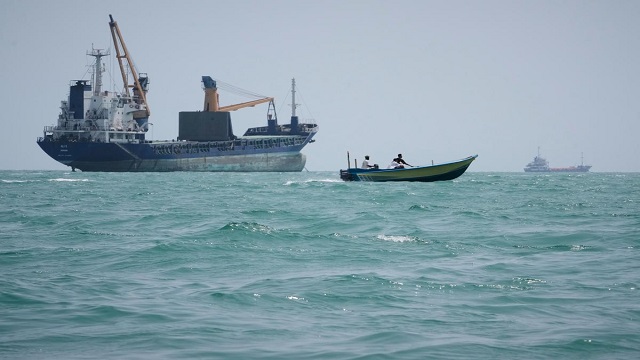
Iran Creates New Restricted Zone Near Strait of Hormuz
Iran is planning to create a new restricted zone near the Strait of Hormuz in the coming days, according to Iranian state media. The move could further increase tensions in the region and affect international shipping through one of the world’s most important waterways.
Major General Mohsen Rezaei, a senior Iranian security official, said that ships entering the new zone without permission from Iran would be placed on an Iranian sanctions list.
According to Rezaei, the restricted area will begin near a location where the US Navy has blocked ships and will extend into parts of the Persian Gulf. He warned that vessels travelling toward the Strait of Hormuz from either direction could face sanctions if they enter the restricted area without approval from Iranian authorities.
Ship Traffic Has Fallen
Rezaei also said that the number of ships passing through the Strait of Hormuz has dropped sharply since Iran closed the waterway.
Before the reported closure, more than 100 ships regularly passed through the strait. Iran now allows only a small number of vessels carrying essential goods for the country to pass through, according to the official.
The Strait of Hormuz is an important international shipping route. Large amounts of oil and other energy products normally move through the waterway, making any disruption there a major concern for global markets.
Warning to US Ships
Rezaei also claimed that US vessels attempting to pass through the area have been attacked. However, he said Iran has not sunk the vessels because of concerns about possible oil spills and environmental damage.
The comments come amid growing tensions between Iran and the United States. Any further restrictions on shipping could increase concerns about the safety of commercial vessels and the movement of energy supplies.
Impact on Global Oil Markets
The Strait of Hormuz is especially important to the global energy market because it connects the Persian Gulf with the Gulf of Oman and the wider Arabian Sea. A major disruption to shipping in the area could affect oil supplies and push energy prices higher.
Countries that depend on imported oil are closely watching developments in the region. Shipping companies may also face higher costs if vessels are forced to take longer routes or wait for permission to pass through the area.
Iran’s planned restricted zone could therefore have consequences beyond the region. The international community is expected to closely monitor the situation as Iran prepares to introduce the new measures.
For now, uncertainty remains high, with concerns growing over shipping safety, oil supplies and the possibility of further military escalation around the Strait of Hormuz.