
Judge Halts Trump’s Latest Citizenship Rule
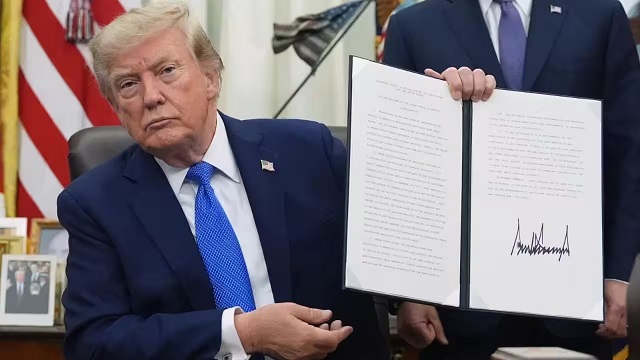
A federal judge in the United States has stopped the Trump administration from moving forward with a plan to change the country’s long-standing policy on birthright citizenship.
The administration had proposed limiting citizenship for some children born in the United States to immigrant parents. The plan would have affected children whose parents were in the country temporarily, including some visitors and people holding temporary visas.
Birthright citizenship is based on the 14th Amendment to the U.S. Constitution. Under the long-standing interpretation of the amendment, most people born on U.S. soil automatically become American citizens, regardless of the immigration status of their parents.
The Trump administration argued that the current interpretation of the law is too broad. Officials supporting the proposal said the government should have greater control over who receives citizenship at birth. They also argued that the policy could encourage some people to travel to the United States to have children who would receive American citizenship.
However, opponents strongly disagreed with the proposal. They argued that changing the rules could create serious legal and practical problems for families. Legal experts also questioned whether the president and the executive branch have the power to change a constitutional right through an executive action.
The federal judge who reviewed the case ruled against the administration’s plan. The court found that the proposed changes were likely to conflict with constitutional protections. As a result, the administration has been prevented from putting the new policy into effect while the legal battle continues.
The ruling means that, for now, the existing system of birthright citizenship remains in place. Children born in the United States continue to receive citizenship under the long-standing interpretation of the 14th Amendment.
The issue has attracted strong reactions across the country. Supporters of the administration’s plan say immigration laws need to be changed and that birthright citizenship should have limits. They believe the current system can be misused and want stricter rules.
Opponents say changing birthright citizenship could weaken an important constitutional protection. They also warn that children could face uncertainty about their legal status because of their parents’ immigration situation.
The administration may challenge the judge’s decision in a higher court. If the case continues through the federal court system, it could eventually reach the U.S. Supreme Court.
Because of this, the latest ruling may not be the final decision on the issue. The legal battle could have a major impact on immigration policy and the meaning of citizenship in the United States.
For now, however, birthright citizenship remains protected under the existing legal framework. The debate is expected to continue as courts consider whether the government can make major changes to a policy that has existed in the United States for more than a century.