
Modi Government’s Rs 2,000 UPI Charge Policy Criticized
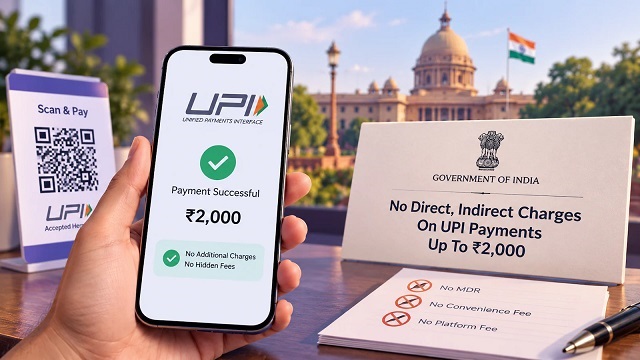
The Indian government’s latest policy on digital payments has sparked a debate over the future cost of UPI transactions. The policy focuses on transactions of up to Rs 2,000 made through UPI and RuPay debit cards, with the government saying the move is intended to keep small digital payments affordable.
According to guidelines issued by the Ministry of Finance, banks and payment service providers cannot charge customers fees for RuPay debit card transactions and UPI transactions up to Rs 2,000. The measure is aimed at encouraging people to continue using digital payment methods for everyday purchases.
UPI has become one of the most widely used payment systems in India. People use it for everything from buying groceries and paying restaurant bills to transferring money to friends and family. Small businesses and street vendors have also increasingly adopted UPI because it allows them to accept payments without requiring cash.
The new policy has received mixed reactions. Supporters say keeping small transactions free can help people who depend heavily on digital payments. They argue that affordable digital transactions are important for expanding financial services and encouraging more people to move away from cash.
However, critics have raised concerns about what could happen to transactions above Rs 2,000. They fear that if charges are introduced or increased for larger transactions in the future, consumers and businesses could face additional costs. Small businesses that receive many digital payments could also be affected if payment-related expenses increase.
Congress leader Jairam Ramesh has criticised the policy and questioned the government’s approach to digital payments. He has argued that the decision could represent a change in the government’s priorities. Critics have also raised questions about whether international economic and political pressures could have influenced the government’s decisions.
The government, however, maintains that its approach is designed to support the growth of digital payments while protecting users from charges on smaller transactions. Keeping UPI and RuPay payments up to Rs 2,000 free is seen as a way to make digital payments more accessible, particularly for ordinary consumers making low-value purchases.
The discussion comes at a time when UPI has become an important part of India’s digital economy. Its simple payment process has helped millions of people make instant transactions using their mobile phones. For many users, the ability to make small payments without additional charges has been an important reason for choosing UPI.
Businesses are also watching the policy closely. Retail shops, restaurants, small traders and online sellers depend on digital payments to receive money from customers. Any increase in transaction costs could affect their operating expenses and, in some cases, could eventually influence prices for customers.
At the same time, policymakers face the challenge of supporting the companies and banks that operate the digital payment infrastructure. Maintaining secure and reliable payment networks requires significant investment in technology, cybersecurity and infrastructure.
The debate is therefore not only about transaction fees but also about how India should balance financial inclusion, consumer affordability and the long-term cost of maintaining its digital payment system.
For now, the government continues to present the policy as a measure that supports affordable digital payments, while critics remain concerned about the possible financial impact on transactions above the Rs 2,000 level. The issue is likely to remain part of the wider discussion about the future of digital payments and financial inclusion in India.