
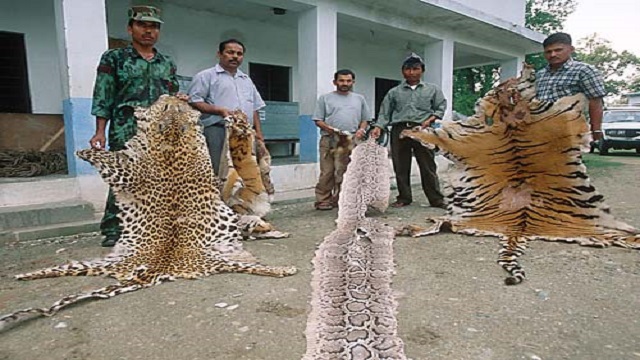
South Asian Nations Strengthen Fight Against Illegal Wildlife Trade
South Asian countries have agreed to strengthen their joint efforts to stop the illegal trade of wildlife and protect endangered animals. The countries decided to improve cooperation by sharing information, supporting investigations and taking legal action against criminal groups involved in wildlife trafficking.
The commitment was made during the first meeting of the South Asia Wildlife Enforcement Network (SAWEN) in Kathmandu. Officials discussed the growing threat posed by organised wildlife crime and the need for countries in the region to work together rather than tackle the problem separately.
Under the new agreement, member countries will share intelligence about wildlife traffickers and suspicious activities. They will also cooperate in investigations and exchange information that can help authorities identify criminal networks operating across national borders.
Another major focus will be on following the money behind wildlife crime. Authorities plan to investigate the financial activities of trafficking groups, identify illegal sources of income and strengthen efforts to prevent money laundering. This could make it more difficult for criminals to profit from the illegal sale of animals and wildlife products.
The countries also agreed to strengthen the prosecution of people involved in wildlife trafficking. Better coordination between law enforcement agencies is expected to help authorities build stronger cases and bring major offenders to justice.
The measures are part of the Kathmandu Declaration, which was adopted during the SAWEN General Assembly held on Thursday and Friday. The declaration provides a framework for regional cooperation against wildlife crime.
Illegal wildlife trade is a major threat to endangered species, as animals and their body parts are often illegally captured, transported and sold across borders. Criminal networks can take advantage of differences in laws and enforcement systems between countries.
By improving intelligence sharing, financial investigations and legal cooperation, South Asian nations hope to make the region less attractive to wildlife traffickers. The countries believe that stronger cooperation will help protect endangered species and preserve the region’s valuable biodiversity for future generations.