
Supreme Court Questions Past Bail Judgments in UAPA Cases
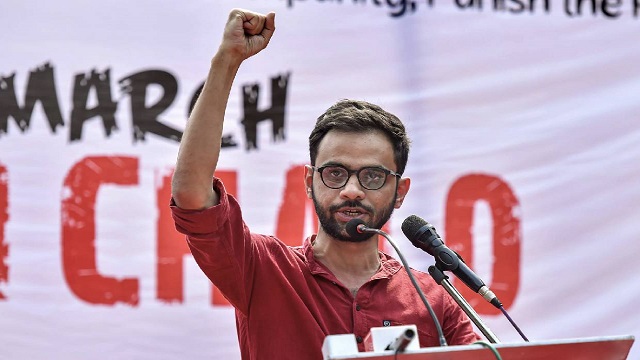
The Supreme Court on Monday (May 18, 2026) raised serious concerns about its own earlier decision that had denied bail to former JNU student leader Umar Khalid, while at the same time granting relief to another accused in a narco-terrorism case from Jammu and Kashmir who has been in jail for five years as an undertrial.
During the hearing, the court observed that personal liberty is a very important right and said that in most cases, bail should be considered the rule, even under strict laws like the Unlawful Activities (Prevention) Act (UAPA). This remark highlights the court’s ongoing concern about how bail is being handled in cases involving serious charges.
The judges also expressed unease over some recent judgments where they felt the right to personal liberty had been weakened in UAPA cases. They indicated that prolonged jail time without trial can go against the basic principles of justice.
The court’s observations came while comparing different cases, including Umar Khalid’s, where bail was denied, and another case where relief was granted despite long incarceration. This contrast led the bench to reflect on whether similar standards are being applied fairly.
Legal experts say the court’s comments could reopen discussions on how bail laws are interpreted in terrorism-related cases. The emphasis on “bail is the rule” suggests a possible shift toward protecting individual liberty even in serious national security cases, especially when trials are delayed.
The matter is expected to continue drawing attention as courts balance national security concerns with fundamental rights such as freedom and fair trial.