
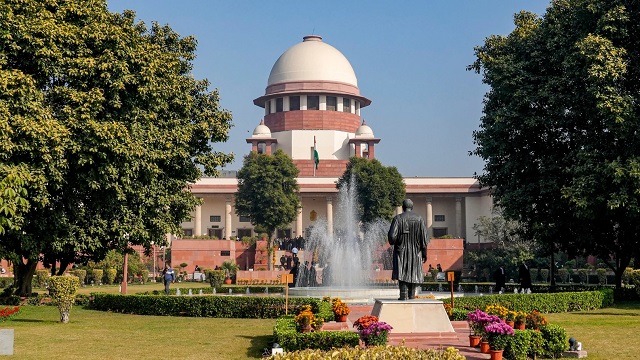
Supreme Court Reviews Facial Recognition Use in Protests
The Supreme Court has said it will examine whether the Delhi Police used facial recognition technology in an appropriate manner during recent protests. The issue has raised concerns about privacy, police powers and the use of new technology during public demonstrations.
The Delhi Police told the court that facial recognition technology was used to identify people they considered to be serious or repeat criminals. Police said the system was used as a security measure and that it helped them identify people who could pose a threat.
However, activists have raised strong objections to the use of facial recognition. They argued that the technology could collect information about ordinary people who have not committed any crime. They also expressed concerns about privacy and the possible misuse of personal data.
The Supreme Court made it clear that its immediate focus is on allegations about the use of excessive force during the protests. The court indicated that once this issue is addressed, it will examine the police use of facial recognition technology in greater detail.
The police told the court that they did not record the faces of people involved only in minor offences, such as traffic violations. According to the police, their focus was on people with serious criminal records.
The police also denied allegations that they used banned equipment or treated women protesters improperly. They said officers followed established procedures while dealing with the protests.
Police officials further explained that some officers worked in plain clothes to monitor activities that could become dangerous. They said the use of plainclothes officers is a common practice in many countries and is intended to help authorities identify potential threats without attracting attention.
The police also defended their use of tear gas and batons during the protests. They said these measures were used only as a last option and when officers believed they were necessary to maintain public order.
The case highlights the difficult balance between maintaining public safety and protecting citizens’ rights. While police may use technology to prevent crime and maintain security, privacy experts and activists argue that there must be clear rules about how facial data is collected, stored and used.
The Supreme Court’s review could therefore have wider importance for the future use of facial recognition technology by law enforcement agencies. The court’s decision may help clarify the limits on police powers and the safeguards needed to protect people’s privacy.
For now, the court will continue examining the allegations of excessive force before moving on to the wider questions surrounding facial recognition technology.