
U.S. Vice President Vance Downplays Iran Conflict as ‘Not a War’
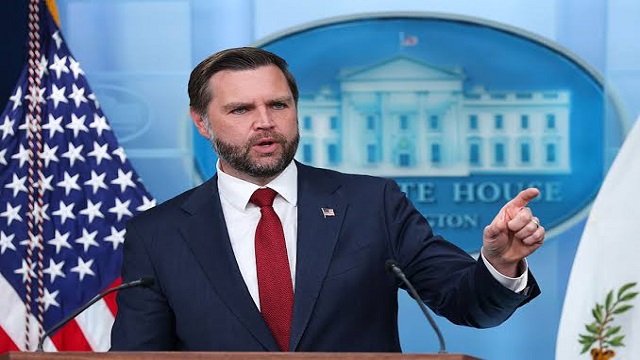
US Vice President J.D. Vance has said that the ongoing conflict between the United States and Iran should not be described as a “war.” He also declined to give a clear timeline for when the current hostilities could end.
Vance’s comments come as tensions between Washington and Tehran continue to create challenges for the Trump administration. The situation has also become an important political issue in the United States, with the country’s midterm elections approaching.
Fighting Continues After Period of Calm
The latest exchanges between the United States and Iran have taken place after a period of relative calm. Despite the lower level of fighting compared with earlier stages of the conflict, there have been new attacks and military responses from both sides.
At present, there are no active diplomatic negotiations between Washington and Tehran. The lack of talks has increased uncertainty about how and when the situation can be brought under control.
Vance said the United States is mainly focused on protecting commercial shipping and ensuring that oil shipments can continue through the Strait of Hormuz, a major international shipping route.
Strait of Hormuz Becomes Major Concern
The Strait of Hormuz is one of the world’s most important routes for oil transportation. Disruptions in the area can quickly affect energy supplies and global oil prices.
Iran has disrupted shipping through the waterway since the conflict began. The United States has therefore increased its military presence in the region in an effort to protect commercial vessels and maintain the movement of oil.
Vance said the situation does not currently involve major continuous combat, but he acknowledged that there have been several flare-ups and military exchanges.
The US administration has deployed more than 50,000 troops, along with warships and other military assets, to the region.
No Clear End Date
When asked when the conflict could end, Vance said the situation depends largely on Iran stopping attacks on commercial ships.
He indicated that the United States would not return to negotiations while Tehran continues to target shipping. This position has made a quick diplomatic settlement more difficult.
Without negotiations currently taking place, there is growing uncertainty over whether the conflict could continue for months or whether a new diplomatic effort could reduce tensions.
Political Pressure on Trump Administration
The conflict is also creating political difficulties for President Donald Trump and his administration.
The prolonged fighting has affected public opinion and contributed to concerns about rising energy costs. Higher fuel prices can increase household expenses and also affect transportation and businesses.
Republican lawmakers are facing additional pressure as they prepare for the upcoming midterm elections. Republicans are trying to protect their narrow majority in Congress, making issues such as fuel prices, national security and foreign policy particularly important for voters.
Oil Prices Rise Again
The continuing tensions have also affected international energy markets. Global oil prices have remained high because of concerns about the safety of shipping through the Strait of Hormuz.
Recent US airstrikes carried out in response to Iranian attacks on commercial shipping have added to fears of further escalation. Oil prices subsequently rose to their highest level since July.
Any further disruption in the region could place additional pressure on global energy supplies and push fuel prices even higher.
Uncertain Future
Vance’s comments suggest that the United States does not currently have a fixed deadline for ending its military operations against Iran. The administration says its priority is to protect commercial shipping and prevent further attacks.
However, without direct diplomatic talks, the possibility of further military exchanges remains.
The situation has therefore become a major security and economic concern. The United States must balance its military response, the safety of international shipping and the impact of higher oil prices, while also facing growing political pressure ahead of the midterm elections.