
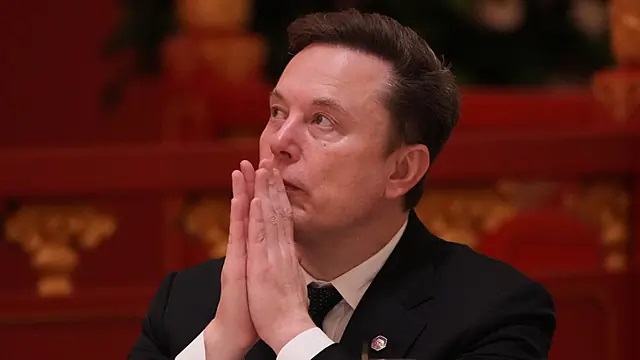
Jury Rules Against Musk in OpenAI Case
A U.S. federal jury has ruled in favour of OpenAI in a legal case filed by billionaire Elon Musk, saying that Musk waited too long to bring the lawsuit.
The jury’s decision gives a clear win to OpenAI and ends one of the most closely followed legal battles in Silicon Valley. The case had attracted major attention because it involved some of the biggest names in the technology industry and raised important questions about the future of artificial intelligence companies.
The trial lasted about three weeks and included testimony from several well-known tech figures. During the hearings, Musk argued that OpenAI had moved away from its original purpose. He said the company was first created as a nonprofit organisation to develop artificial intelligence for the benefit of humanity, but later changed direction to become more profit-driven.
However, the jury did not rule on whether OpenAI’s business model change was right or wrong. Instead, it focused on legal timing and decided that Musk’s lawsuit was filed too late under the law.
OpenAI’s lawyers argued that the company had been transparent about its changes and that Musk had known about the developments for years before filing the case. The jury accepted this argument and ruled in favour of the company.
The verdict effectively ends the courtroom dispute, at least for now, and strengthens OpenAI’s position in the fast-growing artificial intelligence industry. The company is best known for developing ChatGPT, one of the most widely used AI tools in the world.
Musk, who co-founded OpenAI in its early years before later leaving the organisation, has been critical of its direction and leadership. The case highlighted ongoing tensions between early founders and the company’s current management over its mission and future goals.
The decision is seen as an important moment in the wider debate about how artificial intelligence companies should be structured and regulated as the technology continues to grow rapidly worldwide.