
Wireless Implant Treats Diabetes without Drugs
Scientists have developed a new wireless implant that could potentially help treat type 2 diabetes and obesity without the need for medication. The device has shown promising results in experiments involving mice with these conditions, raising hopes for a new approach to managing blood sugar and body weight.
During the experiments, researchers found that switching on the implant quickly brought high blood sugar levels in mice back to normal. After six weeks of treatment, the mice lost up to 10% of their body weight. They also showed lower levels of triglycerides, a type of fat found in the blood.
The implant works by removing excess glucose, or sugar, from the bloodstream. It contains tiny amounts of gold and platinum particles placed on a sponge-like material made from graphite. When electricity activates the material, it converts glucose into a substance called gluconate.
Gluconate can be easily removed from the body through urine by the kidneys. By reducing excess glucose in the blood, the device may encourage the body to use stored fat as an energy source. This process could help reduce body weight and improve certain metabolic conditions.
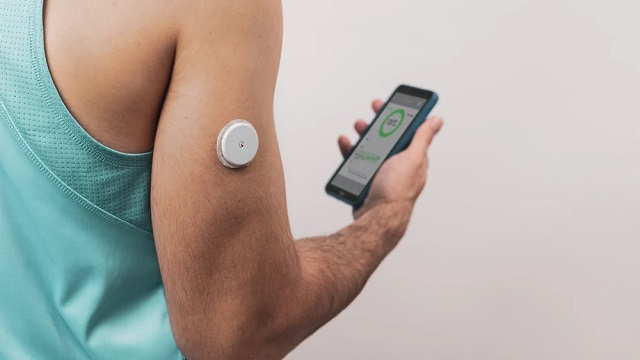
Another important feature of the implant is its ability to operate automatically. The device is connected to a wearable glucose monitor and a smartphone application. It continuously checks blood sugar levels and activates when glucose rises above a certain level. Once the blood sugar returns to a safe range, the implant switches off.
In tests involving eight mice, the system operated continuously for two weeks. Researchers also found that the catalyst used in the device remained effective for up to three months, suggesting that it could potentially provide long-term glucose control.
Despite these encouraging results, the technology is still in its early stages of development. Researchers have not yet established how safely or effectively the implant will work in humans. More studies are needed to understand its long-term effects, durability, and possible risks before clinical trials can begin.
Endocrinologist David Klonoff has described the approach as promising but emphasized the need for careful research to confirm its benefits and safety.
If future studies prove successful, the wireless implant could offer a new treatment option for people living with type 2 diabetes and obesity. However, further research is essential before it can be considered for use in patients.