
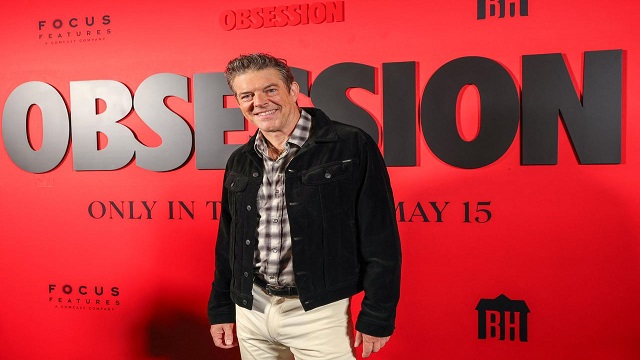
Producer Sues Over Profit Exclusion
California: A producer of the successful film “Obsession” has filed a lawsuit against two fellow producers, claiming she was unfairly excluded from the film’s profits.
Leonora Ann Darby says she played an important role in improving the movie and believes she helped save the project after being unhappy with an earlier edit.
Darby has now taken legal action against Tea Shop Productions co-founders James Harris and Mark Lane, accusing them of failing to honour an agreement that she says would have treated her as an equal producer.
Lawsuit Filed in California
Darby filed the lawsuit in a California court on Monday.
In her complaint, she claims Harris and Lane did not properly recognise her contribution to “Obsession.”
She alleges that the three producers had an understanding that she would receive treatment and financial benefits similar to those of the other producers.
According to the lawsuit, Darby says that agreement was not followed.
Claims She Helped Improve the Film
Darby says she played a major role in shaping the final version of “Obsession.”
She claims she “rescued” the film after reviewing an earlier edit that she believed was not good enough.
According to her claims, she became involved in improving the editing and helped turn the project into a commercially successful movie.
The film later performed well at the box office, increasing the financial value of the project.
Dispute Over Producer Credit and Profits
At the centre of the lawsuit is a disagreement over Darby’s role and share of the film’s profits.
She claims she was supposed to be treated as an equal producer but was later left out of the financial benefits connected to the film.
Darby argues that her contribution should have resulted in a share of the profits.
She says the failure to recognise her role has caused her financial losses.
Accusations Against Tea Shop Productions Founders
Darby has named James Harris and Mark Lane, co-founders of Tea Shop Productions, in the lawsuit.
She accuses them of breaking their agreement and failing to properly acknowledge the work she did on the film.
The allegations have not been established in court, and the defendants will have an opportunity to respond to the claims.
Film’s Commercial Success
The dispute comes after “Obsession” achieved strong box-office results.
For film producers, the success of a movie can create significant financial returns through theatrical releases and other distribution channels.
This can also make disagreements over producer credits, ownership and profit-sharing more serious.
Darby’s lawsuit seeks to address what she says is the difference between the work she contributed to the project and the financial recognition she received.
A Common Issue in the Film Industry
Disagreements over credits and profits are not unusual in the entertainment industry.
Film projects often involve many producers, investors, directors and other contributors. Agreements about ownership, responsibilities and revenue sharing can become complicated when a film becomes successful.
In Darby’s case, the main issue is whether an agreement existed that required her to be treated as an equal producer and whether that agreement was properly followed.
What Happens Next?
The legal case will now move through the California court system.
The court may examine agreements, production records and other evidence to determine the responsibilities and financial arrangements between the parties.
Darby is seeking compensation for what she says are financial losses caused by the alleged failure to honour the agreement.
For now, the claims remain allegations, and the final outcome will depend on the evidence presented during the legal proceedings.
The case could also bring greater attention to the importance of clear producer agreements, particularly when an independent film becomes a successful box-office project.