
A Tiny Mosquito’s Big Impact on Health and Planning
Years ago, people might have wondered why local governments regulate how buildings are built on private land. In places like Madras, India, these rules were put in place to prevent diseases and make towns healthier. After India gained independence, plans were made to create better living conditions by controlling things like drainage and sewage.
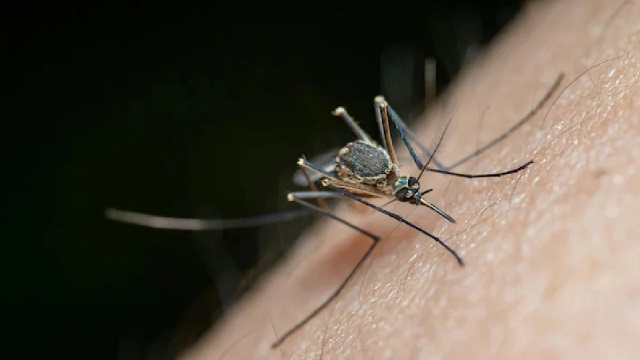
The reason behind these rules became clear when scientists learned about a tiny insect’s role in spreading illness. In 1897, a British doctor named Ronald Ross studied mosquitoes under a microscope. He found that mosquitoes carried the malaria parasite, which caused the disease. This discovery changed everything because it showed how mosquitoes spread malaria from one person to another.
For centuries, people thought bad air caused malaria since it was common near marshes and stagnant water. However, the real culprit was mosquitoes breeding in these areas. Even though a French scientist had found the malaria parasite in blood in 1880, no one knew how it spread until Ross’s work.
Ross proved that mosquitoes were the key to spreading malaria by allowing them to feed on infected patients and then examining their bodies under a microscope. His research showed that the parasite developed inside the mosquito before being passed to another person through its bite. This led to new ways of fighting malaria, like using nets, improving sanitation, and draining standing water where mosquitoes breed.
Mosquitoes are now known to spread many diseases, including dengue and Zika. Despite modern tools like insecticides, controlling mosquitoes remains challenging because they adapt to human environments. India has made progress in reducing malaria but still faces challenges with other mosquito-borne illnesses.
Today, planning rules focus on preventing mosquito breeding by ensuring proper drainage and sanitation. However, mosquitoes still find ways to breed in pools of water near buildings, leading public health officials to continue their fight against these tiny yet dangerous insects.