
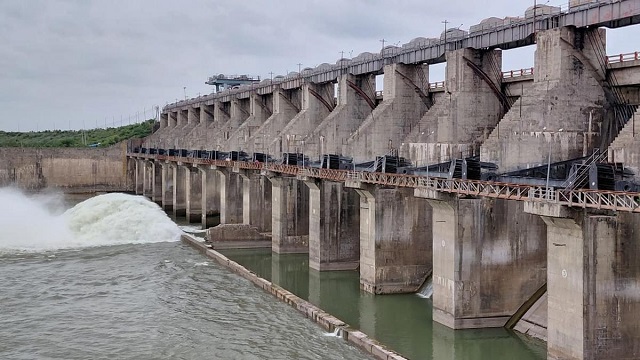
Every Dam in Telangana Needs a Water Protocol: Prepare Before Panic
A recent report has highlighted the need for a proper water management plan for all dams in Telangana. The report warns that growing water shortages and changing weather conditions could create serious challenges in the coming years. Experts believe that a clear plan is necessary to manage water resources safely and prevent unexpected problems.
Telangana depends on dams and reservoirs to store water for drinking, agriculture, and other important needs. However, the increasing demand for water, population growth, and changes in rainfall patterns are putting pressure on the state’s water resources.
Experts say that without proper planning, the state could face water shortages during periods of low rainfall. Problems such as equipment failure, damage to dam structures, or extreme weather events could also affect water supply and public safety.
Need for a Common Water Management System
The report highlights the importance of introducing a standard water management system for all dams across Telangana. Such a system would help officials monitor water levels, check the condition of dam structures, and manage water distribution more effectively.
Under the proposed plan, authorities would follow clear rules for storing and releasing water. This would help officials make better decisions during heavy rainfall, droughts, and other emergencies.
Regular inspections and maintenance would also be important parts of the system. Officials would need to check gates, machinery, and other equipment to identify problems before they become serious. Updating safety procedures could further reduce the risk of accidents and unexpected disruptions.
Climate Change Adds to Water Concerns
Changing weather patterns have made water management more challenging in many regions. Irregular rainfall, long dry periods, and sudden heavy rains can affect the amount of water stored in reservoirs.
During periods of heavy rainfall, dams must be managed carefully to prevent flooding in nearby areas. During droughts, authorities need to ensure that available water is distributed fairly and used efficiently.
Experts believe that planning for different weather conditions can help Telangana prepare for future challenges. A well-organised system would also help officials respond more quickly when water levels change unexpectedly.
Better Coordination Between Departments
The proposed framework would also focus on improving communication between government departments and agencies responsible for managing water resources.
Clear communication is important when officials need to release water, respond to equipment failures, or deal with emergencies. Sharing information quickly can help reduce confusion and ensure that the right action is taken at the right time.
Authorities could also use modern monitoring systems to collect information about reservoir levels, rainfall, and dam conditions. Regular updates would help officials understand the situation and make informed decisions.
Public Awareness and Water Conservation
The report also highlights the importance of educating the public about water conservation and emergency preparedness.
Awareness campaigns could encourage households, farmers, and businesses to avoid wasting water and use available resources responsibly. People living near dams and reservoirs should also receive clear information about emergency warnings and safety procedures.
Farmers, in particular, depend heavily on reliable water supplies for irrigation. Better planning and efficient water distribution could help support agricultural activities and reduce the impact of water shortages.
Planning for a Reliable Water Supply
A comprehensive water management plan could help Telangana improve dam safety, protect water resources, and prepare for changing weather conditions. Regular inspections, clear operating procedures, modern monitoring technology, and better coordination between departments would be important steps.
The report stresses that preparing in advance is essential to avoid unnecessary difficulties in the future. Effective planning could help authorities manage water during both normal conditions and emergencies.
Ensuring a reliable water supply will require cooperation between government departments, local communities, farmers, and the public. By improving dam management and encouraging responsible water use, Telangana can work toward