
Expert Warns SIR Electoral Roll Process Risks Citizenship Rights
The Election Commission of India’s Special Intensive Revision (SIR) of electoral rolls has come under renewed public and political scrutiny, with concerns being raised over how the exercise is being conducted and its possible impact on voters.
The Election Commission says the main objective of SIR is to ensure that eligible citizens are included in electoral rolls while ineligible or duplicate entries are removed. The Commission has said the exercise is being conducted under its constitutional and legal powers and includes procedures for claims, objections and verification.
However, the process has faced criticism from Opposition leaders, activists and other public figures. Political economist Dr. Parakala Prabhakar has described the SIR exercise as a “bloodless political genocide”, arguing that the revision could disproportionately affect certain sections of society and potentially deprive eligible citizens of their voting rights.
These are political criticisms and allegations, rather than established findings. The Election Commission has maintained that the purpose of the exercise is to improve the accuracy of electoral rolls and ensure that no eligible voter is left out.
Concerns over the implementation of SIR have also reached the Supreme Court. In September 2026, the court questioned the Election Commission about notices issued to voters over what the Commission describes as “logical discrepancies.” The court sought an explanation for the basis of such notices and raised concerns about whether some notices were being issued without adequate individual assessment.
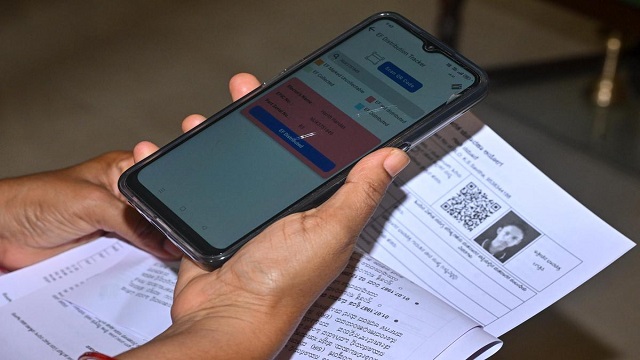
The Election Commission has subsequently announced additional measures for people who receive notices during the ongoing SIR. Booth Level Officers can visit their homes to collect documents, while hearings are to be conducted online wherever possible. The Commission has also directed district authorities to establish help desks and special camps for groups such as homeless people, labourers and economically vulnerable citizens.
The Commission has also made facilities available through its voter services portal for citizens to search electoral-roll information and submit documents against notices issued during the SIR process.
The debate over SIR has therefore developed into a wider discussion about electoral-roll accuracy, voter rights and the safeguards required during large-scale revisions. Supporters of the exercise say accurate voter lists are essential for elections, while critics argue that the verification process must not create unnecessary barriers for genuine voters.
As the revision continues, the handling of notices, claims and objections will remain important in determining whether eligible voters are able to retain or restore their names in the electoral rolls. The ongoing judicial scrutiny is also expected to remain an important part of the debate over how the process is implemented.