
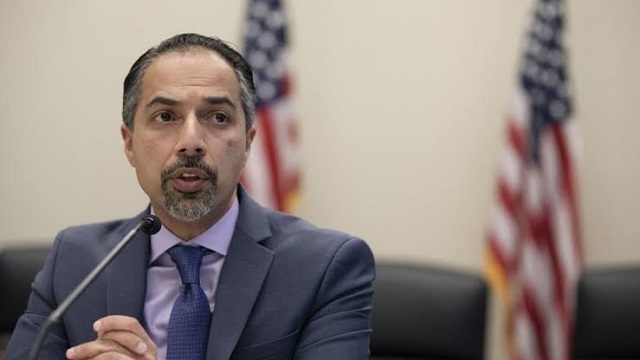
Trita Parsi Warns of Possible U.S.-Iran All-Out War
U.S. President Donald Trump has tried various strategies—limited military actions, diplomacy, and economic sanctions—to pressure Iran but hasn’t achieved his goals. Trita Parsi, from the Quincy Institute, suggests Trump might consider an all-out war against Iran after the midterm elections, despite the risks.
In Yemen, Saudi Arabia faces unexpected challenges from the Houthis, whose missile capabilities have grown with Iranian support. The Houthis and Iranians collaborate on military advancements, surprising even their allies. Saudi Arabia’s partners, like Pakistan and Turkey, are reluctant to join due to public backlash against fighting the Houthis, seen as resisting Israeli aggression.
Israel’s desire to join the conflict is resisted by Saudi Crown Prince Mohammed bin Salman (MBS), fearing it would harm Saudi standing in the Muslim world. Iran uses this dynamic to strengthen its narrative of resistance.
The escalating war between Saudi Arabia and the Houthis benefits Iran’s regional influence but remains unstable. Oil market pressures and Iran’s ability to escalate show its strategic options, though not fully controlled by Tehran. The situation risks uncontrollable escalation, complicating potential U.S.-Iran de-escalation efforts.
Parsi argues Trump’s desperation for success could lead to massive military action post-midterms. Iran faces economic struggles but appears resilient, with strategies to sustain itself despite sanctions. While internal pressures mount, there’s no clear sign of regime collapse.
Gulf monarchies are vulnerable without U.S. protection and may need to integrate economically with Iran for security, a stark but necessary move in the region’s shifting dynamics.