
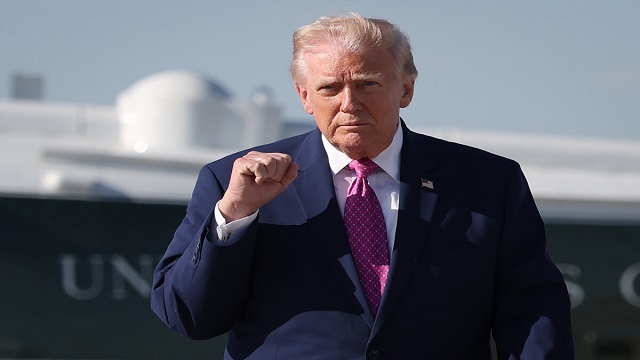
U.S. President Pauses ‘Operation Freedom’ in Strait of Hormuz
U.S. President Donald Trump has announced a temporary pause in “Operation Freedom,” a military mission created to help protect and guide ships passing through the Strait of Hormuz.
The Strait of Hormuz is one of the world’s most important shipping routes, especially for global oil transport. Many commercial ships and oil tankers travel through this narrow waterway every day, making it a critical area for international trade. However, due to rising regional tensions and security threats, the route has often been considered dangerous.
“Operation Freedom” was launched to ensure the safe movement of ships in the area by providing military support and guidance to vessels that could face risks while crossing the strait.
According to Trump, the operation will be put on hold for a short but unspecified period. While active escort missions are paused, the United States will continue monitoring the region closely. U.S. naval forces will remain present to observe maritime activity and maintain security in the area.
The decision is part of broader diplomatic efforts by the U.S. administration to reduce tensions in the Middle East, particularly with Iran. Iran has been linked to several incidents involving commercial vessels in the Strait of Hormuz in recent years, which has increased concerns over regional stability.
By temporarily pausing the operation, the Trump administration appears to be signaling a willingness to create space for diplomatic discussions while still protecting American and international interests.
Political experts believe this move may be aimed at lowering immediate military tensions and encouraging Iran to respond positively to diplomatic outreach.
Despite the pause, the U.S. has emphasized that it remains committed to protecting freedom of navigation and ensuring that global trade routes remain open and secure.
The situation in the Strait of Hormuz continues to be closely watched by governments, shipping companies, and energy markets around the world, as any disruption in the region could significantly impact international oil prices and economic stability.