
West Nile Virus Antibodies Found in Nearly 30% of Keralam Residents
A recent study has found that nearly three out of every 10 people tested in Kerala had antibodies against the West Nile Virus (WNV). The finding suggests that the virus may have spread among a much larger number of people than the officially reported cases.
The study was conducted by the ICMR-National Institute of Virology (NIV) in Pune after an outbreak of West Nile Virus was reported in Kerala in 2024. Researchers tested people from different groups to understand how widely the virus had spread.
According to the study, around 29.96% of the people tested had antibodies against WNV. The presence of these antibodies suggests that these people had been exposed to the virus at some point. The antibodies were found among people from different age groups, indicating that exposure was not limited to a particular section of the population.
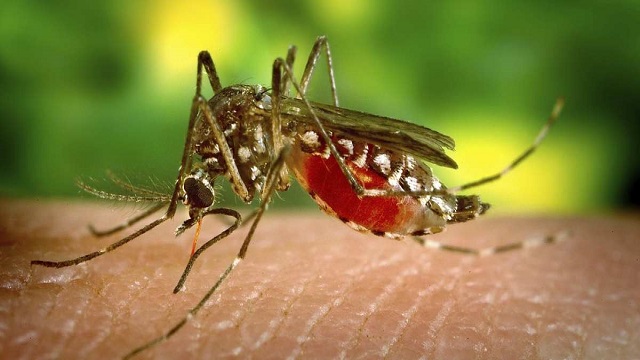
West Nile Virus is mainly spread through the bites of infected mosquitoes. Many people infected with the virus may have mild symptoms or no symptoms at all. Others can develop fever, headache, body pain, and other health problems. In more serious cases, the virus can affect the nervous system.
The study’s findings are important because the number of people with antibodies is much higher than the number of officially reported cases. This could mean that many infections went unnoticed because people did not become seriously ill or did not seek medical treatment.
Researchers say antibody studies can help health officials understand how widely a virus has circulated in a community. Such information can be useful when planning disease-control measures and monitoring future outbreaks.
The findings also highlight the importance of mosquito control in Kerala. Keeping surroundings clean, removing stagnant water, and taking steps to reduce mosquito breeding can help lower the risk of mosquito-borne diseases.
Health authorities may continue monitoring West Nile Virus activity and studying its spread in different parts of the state. The latest research shows that reported cases may not always reflect the full level of exposure to a virus within a population.
The study therefore provides important information about West Nile Virus in Kerala and highlights the need for continued surveillance, public awareness, mosquito control, and timely medical attention when symptoms appear.