
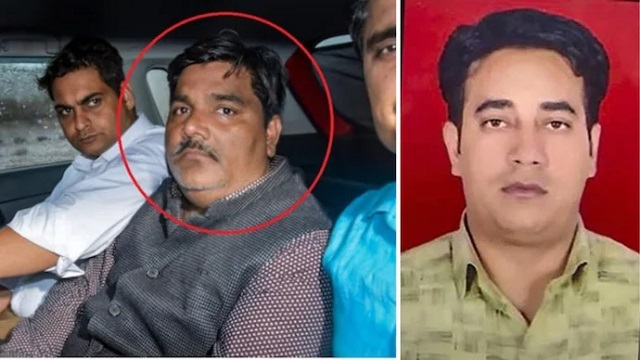
Ex-AAP Councillor Tahir Hussain Sentenced to Life for 2020 Murder
A Delhi court has sentenced former Aam Aadmi Party (AAP) councillor Tahir Hussain to life imprisonment for the murder of Intelligence Bureau (IB) officer Ankit Sharma during the 2020 Delhi riots. The sentence was announced on Friday, July 31, 2026, after the court found him guilty of his role in the killing.
Earlier this month, Additional Sessions Judge Praveen Singh of the Karkardooma Court convicted Tahir Hussain and four other accused in the case. After hearing arguments from both the prosecution and the defence, the court decided that Hussain should be sentenced to life in prison.
The Delhi Police had asked the court to award the death penalty. Prosecutors argued that the murder was a “rarest of rare” case because of its brutal nature. They told the court that Ankit Sharma suffered 51 injuries and described the killing as a cold-blooded crime that deserved the highest punishment under the law.
However, after considering all the evidence, legal arguments, and the circumstances of the case, the court decided to impose life imprisonment instead of the death penalty. The court’s detailed order explained the reasons behind the sentence based on the facts presented during the trial.
The case is linked to the violence that took place in northeast Delhi in February 2020. The riots led to the deaths of more than 50 people and left hundreds injured. Many homes, shops, and public properties were damaged during the clashes, making it one of the worst episodes of communal violence in the capital in recent years.
Ankit Sharma, who worked as an Intelligence Bureau officer, was reported missing during the violence. His body was later recovered from a drain near the area where the riots had taken place. A post-mortem examination found that he had suffered multiple injuries.
Following an investigation, the Delhi Police filed charges against Tahir Hussain and several others. The investigation included witness statements, forensic evidence, and other material collected from the scene. After a lengthy trial, the court found Hussain and four co-accused guilty of murder and other related offences.
The case has received widespread public attention because it is connected to the 2020 Delhi riots, which remain one of the most significant law-and-order incidents in recent years. The court’s judgment marks an important step in the legal proceedings related to the riots.
Legal experts say that people convicted by a trial court have the right to challenge the judgment before a higher court. Further legal proceedings may take place if appeals are filed against the conviction or the sentence.
The sentencing of Tahir Hussain brings an important chapter of this high-profile case to a close at the trial court level. Authorities have said that they remain committed to ensuring justice through the legal process while maintaining peace and public order.