
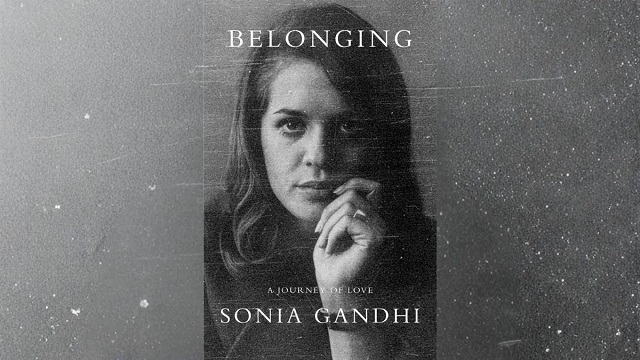
Sonia Gandhi’s Memoir and Censored Ideas
“Books have always scared people who want to hide the truth.” This powerful line from Nigerian Nobel laureate Wole Soyinka’s The Man Died: Prison Notes reflects a problem that has existed for a long time: the struggle between those who want to speak freely and those who want to control what people can read.
The debate has once again come into focus around Sonia Gandhi’s memoir. Reports that publishers are being extremely careful about the content have raised questions about the growing role of self-censorship in publishing.
Publishers may sometimes remove or change certain parts of a book because they are worried about legal problems, political controversy, public criticism or pressure from powerful groups. While such decisions may be made to avoid conflict, they can also affect the writer’s freedom to express ideas openly.
Why Self-Censorship Matters
Censorship does not always happen through an official ban. Sometimes, it happens quietly.
A writer may be asked to change a sentence, remove a section or avoid discussing a sensitive subject. A publisher may also decide not to include certain material because it fears possible consequences.
This is known as self-censorship. It can be difficult to notice because the final book may appear normal. Readers may never know what information or opinions were removed before publication.
When publishers become too cautious, writers may also become less willing to discuss controversial subjects. Over time, this can create an environment where difficult questions are avoided instead of openly discussed.
Impact on Writers and Readers
Books are an important way for people to understand history, politics and society. Memoirs are especially valuable because they provide a person’s own account of events and experiences.
If important parts of a memoir are removed or heavily changed, readers may not get the complete picture. They may receive only the version that is considered safe or acceptable for publication.
This affects writers as well. Writers should have the freedom to express their views, experiences and memories, particularly when they are writing about important events.
At the same time, publishers have legal and ethical responsibilities. They must check facts, protect against false claims and follow the law. The challenge is to balance these responsibilities with the writer’s freedom of expression.
Political Books and Public Debate
Political memoirs often contain sensitive information. They can discuss political leaders, government decisions, internal party matters and major events from the past.
Because of this, such books can attract strong reactions.
Sonia Gandhi’s memoir has drawn attention because of her long involvement in Indian public life. Any discussion about her political career, relationships with other leaders or important events could naturally become part of a wider public debate.
That makes the question of how much publishers should edit or remove from such a book particularly important.
Publishers Have Significant Power
Publishers play an important role in deciding which ideas reach the public.
They can give writers a platform and help important stories reach millions of readers. But their decisions can also determine which subjects receive attention and which ones remain hidden.
If publishers repeatedly choose the safest possible option, books may become less challenging and less useful to society.
Literature does not always need to make everyone comfortable. Some of the most important books raise difficult questions, challenge powerful people and encourage readers to think differently.
Freedom of Expression and Democracy
A healthy democracy depends on open discussion. People need the freedom to hear different opinions, question leaders and examine the decisions of those in power.
Books are an important part of that process.
When controversial ideas are openly discussed, readers can decide for themselves what they agree or disagree with. But when information is removed before readers even see it, their ability to make that judgment is reduced.
The debate around Sonia Gandhi’s memoir therefore raises a larger question: How much control should publishers have over what readers are allowed to know?
The answer requires a careful balance. Publishers must protect themselves and their authors from genuine legal risks, but excessive self-censorship can also weaken free expression.
Ultimately, books should have enough freedom to question, challenge and explore uncomfortable subjects. The publishing industry, writers and readers all have a role in protecting that space.
The controversy surrounding Sonia Gandhi’s memoir is therefore about more than one book. It is part of a much larger debate about censorship, freedom of expression and the power to control ideas in a democracy.