
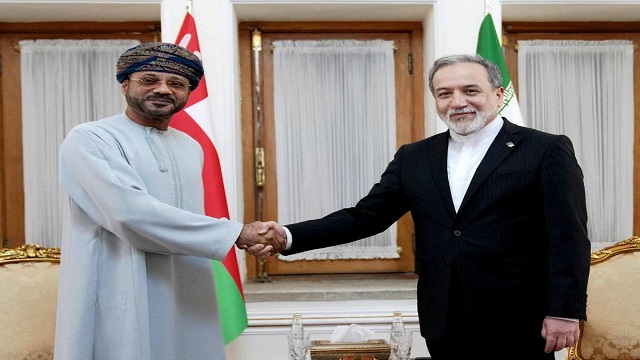
Iran-Gulf Talks Postponed in Oman for Consensus
Iran-Gulf Meeting on Strait of Hormuz Delayed in Oman
A planned meeting between Iran and Gulf countries in Oman to discuss the situation around the Strait of Hormuz has been delayed. The meeting was scheduled for September 14, 2026, in Salalah, but the postponement was announced on Sunday night.
Omani Foreign Minister Badr Albusaidi announced the delay on X on September 13. He said the meeting was postponed “in the interests of consensus.” He also said Oman remains committed to dialogue and believes continued discussions are important for stability and cooperation in the region.
The meeting was expected to focus on agreements related to shipping through the Strait of Hormuz. The waterway is one of the most important shipping routes in the world, especially for the movement of oil and other energy products.
Iran Reportedly Requested Delay
Iran’s Fars news agency reported that the postponement was requested by Tehran. The report cited an Iranian foreign ministry official.
The proposed meeting was linked to efforts by Iran and Oman to manage shipping activity through the Strait of Hormuz. However, there appeared to be limited participation from Gulf countries. Iraq was the only country to officially confirm its attendance, while Bahrain declined because it does not currently have diplomatic relations with Iran.
The delay has raised further questions about whether regional countries can reach a common position on the security and operation of the important waterway.
Shipping Activity Remains Low
Commercial shipping through the Strait of Hormuz has remained at relatively low levels as attacks and security concerns continue in the region.
The tensions began after the United States and Israel launched military action on February 28. The continuing conflict has created concerns among shipping companies and countries that depend on the waterway for energy supplies and international trade.
Iran has also proposed charging fees to ships that pass through waters under its control. Tehran has additionally discussed managing parts of the shipping lanes through the strait.
These proposals have increased concerns among Gulf countries and international shipping operators, as any major disruption to the waterway could affect global trade and energy prices.
Hopes for Regional Cooperation
Before the postponement, there were hopes that the Oman meeting could provide an opportunity for Gulf countries and Iran to discuss the conflict and work toward a joint approach.
Oman has traditionally supported dialogue between countries in the region and has often played a role in diplomatic efforts. The country’s support for continued talks reflects its effort to reduce tensions and encourage cooperation among neighbouring states.
However, the delay means that several important questions about shipping security and regional stability remain unresolved.
Iran-UAE Contact Offers Some Hope
Despite the postponement, there have also been signs of diplomatic contact between Iran and Gulf countries.
On September 13, Iranian President Masoud Pezeshkian spoke about a positive conversation with the Crown Prince of the United Arab Emirates during the BRICS Summit in New Delhi.
Pezeshkian described the discussion as a “good talk” and expressed hope that Iran and the UAE could move beyond their differences. He also spoke about the possibility of working together toward a shared future.
The comments could offer some hope for improved relations between Iran and Gulf nations. However, the continued tensions around the Strait of Hormuz and the delay of the Oman meeting show that major challenges remain.
For now, regional governments will continue to monitor developments around the strait while diplomatic efforts remain focused on reducing tensions, protecting shipping, and maintaining stability in one of the world’s most important maritime routes.