
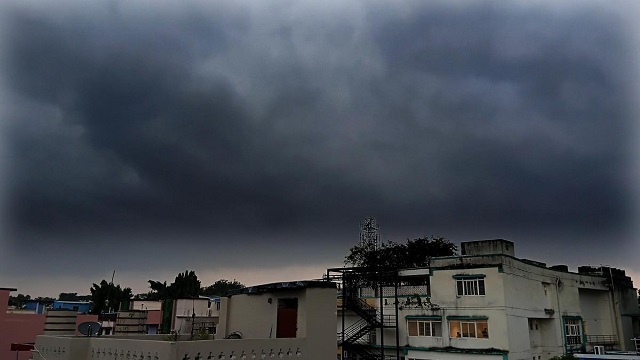
Odisha Evacuates 48,000 Due to Cyclone Arnab
The Odisha government has announced plans to evacuate around 48,000 people from eight southern districts as a very severe cyclonic storm named Arnab approaches the eastern coast of India. The storm is expected to bring heavy rainfall and powerful winds as it moves towards the Andhra Pradesh coast. Authorities have started precautionary measures to protect people living in areas that could be affected by the cyclone.
Rajesh Pravakar Patil, Odisha’s Special Relief Commissioner, said evacuation work was already underway in Malkangiri district. The government is moving people from vulnerable areas to safer locations, including designated shelters. Officials are giving priority to residents who may face the greatest risk from strong winds, flooding and other weather-related dangers.
According to the evacuation plan, more than 11,000 people each from Nabarangpur and Gajapati districts are expected to be relocated. Around 9,850 people from Malkangiri, 6,500 from Ganjam and 5,000 from Koraput are also being moved to safer places. Authorities are coordinating the process to ensure that residents can leave vulnerable areas before the storm’s impact increases.
The state government has also strengthened its emergency response arrangements. Senior officials have been deployed in districts expected to face the greatest impact, while Rs. 19 crore has been allocated to meet emergency expenses. The funds are intended to support rescue operations, relief arrangements and other urgent requirements during the cyclone.
To improve preparedness, the Odisha Disaster Rapid Action Force, the National Disaster Response Force and fire services teams have been positioned across the affected districts. The deployment includes more than 48 units of the Odisha Disaster Rapid Action Force, eight NDRF teams and 225 fire services teams. These personnel are prepared to assist with evacuations, rescue operations and emergency relief if conditions worsen.
As a further precaution, the government has ordered schools and colleges up to Standard XII to remain closed. The decision aims to protect students and staff from potential dangers caused by heavy rain, strong winds and disruptions to transport. Residents in vulnerable areas have also been advised to follow official instructions and move to safer locations when directed.
Although Odisha had not received significant rainfall at the time of the reported update, officials expect rainfall intensity to increase during the day. Authorities are monitoring weather conditions closely and preparing for possible flooding, waterlogging and damage to infrastructure in vulnerable areas.
According to the India Meteorological Department’s forecast cited in the report, Cyclone Arnab was located around 260 kilometres southeast of Visakhapatnam and moving west-northwestwards. The storm was expected to cross the Andhra Pradesh and Yanam coasts between Bapatla and Visakhapatnam on October 28. Forecasts in the supplied report indicated sustained wind speeds of up to 125 kilometres per hour, with gusts reaching 140 kilometres per hour.
The approaching cyclone has placed both Odisha and neighbouring Andhra Pradesh on alert. Strong winds and heavy rainfall can damage houses, uproot trees, disrupt electricity supplies and affect road transport. Coastal and low-lying areas may face additional risks, making early evacuation and emergency planning especially important.
The Odisha government is continuing its preparations to reduce the possible impact of the storm. Authorities are focusing on moving residents to safety, deploying rescue teams and ensuring that emergency resources are available when needed. People have been urged to follow official weather updates and cooperate with local authorities throughout the evacuation process.
With the cyclone expected to approach the coast, the coming hours are important for emergency teams and residents in vulnerable areas. Timely evacuation, proper coordination and public cooperation will play a key role in protecting lives and reducing damage from the severe weather system.