
French Protest Groups Call for More Demonstrations
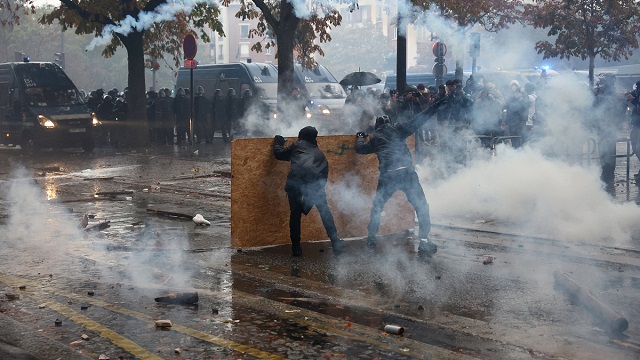
French protest groups and trade unions are calling for more demonstrations to maintain pressure on the government, as public anger over wages, living costs and public services continues to grow. The demand for further rallies comes after a major security operation helped authorities manage nationwide protests on Saturday, October 25, 2026.
According to France’s Interior Ministry, around 410,000 people took part in Saturday’s demonstrations. The authorities deployed approximately 70,000 police officers to maintain public order and prevent violence. Compared with earlier protests, the government managed to avoid widespread looting and vandalism during the latest demonstrations.
However, protest organisers say the movement is far from over. Labour leaders are calling for another nationwide demonstration next Saturday and a general strike on November 5. They believe that public dissatisfaction has spread beyond the student movement that began last month and now involves workers and several other groups.
Murielle Guilbert, co-leader of the Solidaires trade union federation, said the protests reflected a growing combination of public grievances. She explained that students, workers, firefighters and other groups were bringing their concerns together, creating a wider movement against the government’s policies.
Rising living costs and concerns about wages remain among the main issues driving the demonstrations. Many protesters want better pay, improved working conditions and stronger public services. They argue that the government must take greater action to address the financial pressure facing ordinary households.
The Yellow Vests, a grassroots protest movement that emerged in France in 2018, have also called for large rallies next Saturday. The group wants supporters to organise sit-ins outside town halls and the National Assembly to draw attention to their demands and keep pressure on political leaders.
The growing protests present another challenge for President Emmanuel Macron’s government. France is facing pressure on its public finances, making it difficult for the government to meet all the demands for higher spending and improved services. Political divisions have also complicated efforts to pass major legislation.
The government has begun discussions with trade unions and student representatives in an effort to reduce tensions. Officials are seeking ways to address the concerns raised by demonstrators and prevent further unrest. However, protest leaders say the measures proposed so far have not gone far enough.
Guilbert criticised the government’s response, saying that protest groups had not received a meaningful answer to their concerns. Union leaders have warned that demonstrations and strikes could continue unless the authorities take stronger action on wages, living costs and public services.
The security operation has also placed pressure on police forces. Police unions have warned that maintaining the same level of deployment for an extended period would be difficult because of staffing shortages and the demands placed on officers. They have raised concerns about whether the current security arrangements can be sustained if demonstrations continue every week.
Authorities reported that 1,314 people were arrested on Sunday. The figure was lower than the number recorded during the previous week, when arrests were reportedly almost twice as high. Although the situation appeared more controlled during the latest protests, the possibility of further demonstrations remains a concern for the authorities.
The unrest has also attracted international attention, with similar protests and public dissatisfaction reported in Belgium, Albania and Italy. These developments have highlighted wider concerns in parts of Europe about living costs, government policies and the quality of public services.
France’s government now faces the challenge of balancing public spending, responding to protesters’ demands and maintaining public order. With unions and protest groups preparing further action, the coming weeks could prove important in determining whether negotiations can reduce tensions or whether demonstrations and strikes will continue.