
Nepal Flash Flood Toll Climbs to 1,259
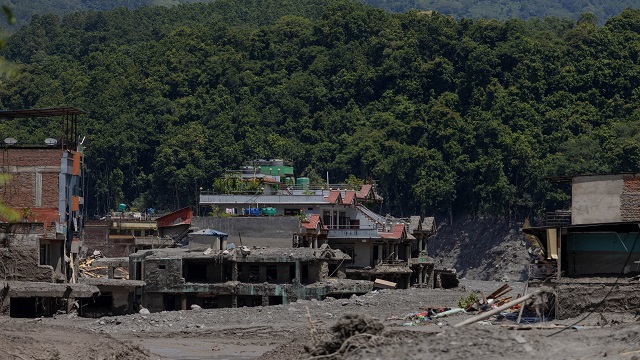
The death toll from the devastating flash floods in Nepal has risen to 1,259, while more than 5,000 people are still missing, according to the latest reports. The disaster struck more than a week ago and caused widespread destruction across several parts of the country.
Rescue teams have been working continuously to search for missing people and recover bodies from areas affected by floods and landslides. Many roads, bridges, homes and other buildings were damaged or destroyed, making rescue operations difficult and dangerous.
Chitwan district has reported the highest number of recovered bodies, with 355 bodies found so far. This figure also includes unidentified remains. Nawalparasi East is the second most affected district, with 218 bodies recovered, while Nawalparasi West has reported 212 bodies.
The large number of missing people has increased concerns that the death toll could rise further. Families across affected communities are still waiting for information about relatives who have not returned home since the disaster.
Families Hold Symbolic Funerals
As the search for missing people continues, some families have begun holding symbolic funerals for their loved ones. These ceremonies are being held because many families have no information about whether their relatives are alive or where they may be.
The ceremonies have also become a way for families and local communities to remember those who are believed to have been lost in the disaster.
Nepal Highlights Climate Change Concerns
Prime Minister Balendra Shah has said that Nepal needs to bring greater international attention to the possible connection between such extreme disasters and climate change.
Nepal is highly vulnerable to floods, landslides and other climate-related disasters. Extreme rainfall can quickly cause rivers to rise and trigger flash floods, particularly in mountainous and hilly areas.
The government wants the international community to recognize the challenges faced by countries such as Nepal and to provide greater support for disaster preparedness, rescue operations and climate adaptation.
Rescue Operations Continue
Rescue and recovery operations are still continuing in several affected areas. Nepal Army-led joint teams are searching for survivors and victims in difficult locations.
Rescuers are facing major challenges because of damaged roads, unstable ground, strong water currents and debris left behind by the floods. Some areas can only be reached with specialized equipment and trained rescue personnel.
An Indian tunnel rescue team has also established a base in Syabrubesi to support rescue operations. The team is assisting Nepali authorities with dangerous operations near the Chilime Power House, where difficult terrain and damaged infrastructure have made the search especially challenging.
The cooperation between Indian and Nepali rescue teams is expected to strengthen ongoing efforts to reach difficult locations and locate people who may still be trapped or missing.
A Long Road Ahead
The disaster has left thousands of families facing loss, uncertainty and serious damage to their homes and livelihoods. While rescue teams continue searching for missing people, authorities are also expected to focus on restoring roads, infrastructure and essential services in affected areas.
With thousands of people still unaccounted for, the rescue operation remains a major priority. Officials and local communities are continuing their efforts to recover victims, support affected families and prevent further loss of life.