
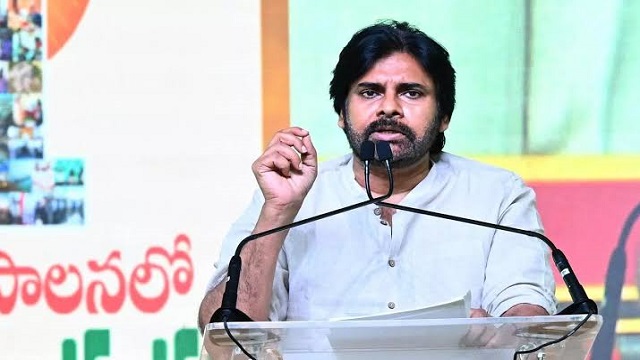
Pawan Kalyan Holds Power; Can He Lead?
Pawan Kalyan has served as the Deputy Chief Minister of Andhra Pradesh for more than two years. During this period, his role in the state government has given people a closer look at his leadership style, political priorities and approach to administration.
Kalyan is widely known as a charismatic political leader who helped bring the Jana Sena Party into the state government. His popularity and strong connection with his supporters have played an important role in his political rise.
As Deputy Chief Minister, Kalyan holds important responsibilities and several major government portfolios. His position gives him a significant role in decision-making and administration. However, questions have been raised about his participation in some important government activities.
Critics have pointed to his absence from certain Cabinet meetings and legislative sessions. While Kalyan continues to appear at selected party programmes, public events and other political activities, his participation in routine government work has become a subject of discussion.
His recent shoulder surgery and related health problems provide some explanation for his absence from public and government activities. However, critics argue that health issues alone may not explain the wider pattern of his participation in government affairs.
The situation has raised questions about how effectively Kalyan can balance his political popularity with the responsibilities of governance. Being a successful political leader requires more than public appeal. It also involves regular participation in government meetings, understanding administrative issues and working closely with officials and other leaders.
Another important question is whether Kalyan can build a strong and well-organised political structure around the Jana Sena Party. His personal popularity has helped the party grow, but maintaining a strong organisation requires active leadership at different levels.
Supporters of Kalyan continue to see him as an important political force in Andhra Pradesh. They point to his public presence, party leadership and influence among voters as signs of his political strength.
However, his performance as Deputy Chief Minister will increasingly be judged by his involvement in administration and his ability to deliver results through the government. His challenge is to turn his personal popularity into effective governance and a stronger political organisation.
As Andhra Pradesh’s political landscape continues to develop, Kalyan’s approach to his government responsibilities will remain under close observation. The coming period could be important in deciding whether he can move beyond his image as a popular leader and establish himself as a strong administrator as well.