
Why Syria’s Former President Faces Death Sentence | Explained
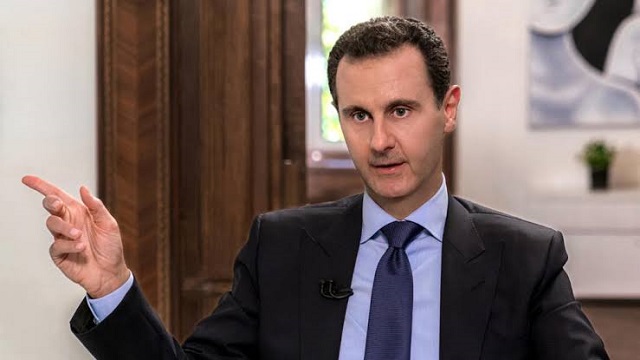
Former Syrian President Bashar al-Assad, who ruled Syria for more than two decades, has reportedly been sentenced to death along with his brother Maher al-Assad and several others. The case is linked to serious crimes and human rights abuses that allegedly took place during the Assad family’s rule.
The court proceedings against Assad and his associates began in April. They faced charges connected to violence during the government’s response to anti-government protests in 2011. The unrest began in the city of Daraa after several teenagers were reportedly arrested for writing anti-government messages on a wall.
The arrests led to public anger and protests. The demonstrations later spread to other parts of Syria and developed into a much larger conflict. The government’s response included arrests, violence and military action against protesters and opposition groups.
During the court proceedings, witnesses reportedly described serious abuse. They spoke about people being beaten, tortured and subjected to electric shocks while in detention. The allegations are among the serious crimes that formed part of the case against Assad and other members of his former government.
Maher al-Assad, Bashar al-Assad’s younger brother, was also accused of playing an important role in the government’s military response to the uprising. Other individuals were included in the case because of their alleged involvement in crimes committed during the conflict.
Although the court has issued death sentences, putting them into effect could be extremely difficult. Bashar al-Assad and Maher al-Assad are believed to be living in Russia under asylum. This means that Syrian authorities would face major difficulties in bringing them back to Syria to carry out the sentences.
Russia has been a long-time supporter of the Assad government. During the Syrian conflict, Moscow provided important military and political support to Damascus. This relationship could make any attempt to extradite the former president and his brother particularly complicated.
The legal case has also attracted criticism from international human rights organizations. Some groups have raised concerns about trials conducted without the accused being physically present in court. They argue that defendants should have a full opportunity to defend themselves in person.
Syrian authorities, however, maintain that the legal process follows the country’s laws. Officials say the court is attempting to hold people responsible for serious crimes committed during the former regime.
The case is significant because it represents an attempt to address some of the alleged abuses committed during Syria’s long conflict. The Syrian civil war caused widespread destruction, displaced millions of people and resulted in a large number of deaths.
The death sentences therefore carry both legal and political importance. While the verdicts may be seen as an effort to provide accountability for victims, the absence of the accused from Syria makes their enforcement uncertain.
The case also shows the continuing challenges facing Syria as it deals with the legacy of years of conflict. Questions about justice, accountability and the treatment of victims remain important as the country moves forward.
For many victims and their families, the court proceedings are an important step toward recognition of the suffering they experienced. However, the final outcome will depend not only on the court’s decisions but also on whether the accused can ever be brought back to Syria.