
How India’s Garbage Piles Turn into Dangerous Chemical Factories
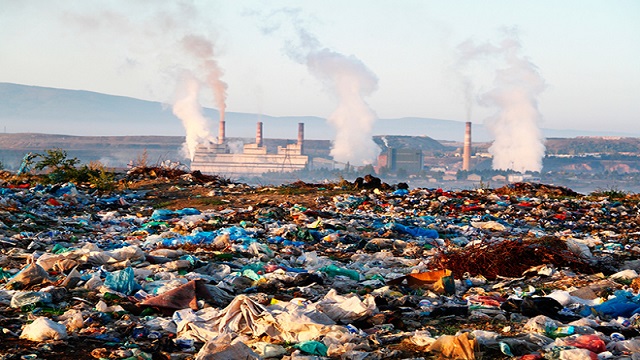
Huge piles of garbage can be seen on the edges of many Indian cities. These places are no longer just dumping grounds for waste. Experts warn that they have turned into dangerous pollution hotspots that release harmful gases, toxic liquids, and disease-causing germs into the environment every day. As these waste mountains continue to grow, they pose a serious threat to public health and nature.
Unlike waste in villages, which is mostly made up of natural materials and can break down over time to improve the soil, city waste is much more complex. It contains plastic, medical waste, electronic items, chemicals, construction debris, and many other non-biodegradable materials. When all these different types of waste are mixed together, they create dangerous chemical reactions as they decompose.
Every truckload of garbage dumped at these sites adds to the problem. Over time, the waste produces methane and other harmful gases that pollute the air and increase the risk of fires. Toxic liquid, known as leachate, can seep into the ground and contaminate nearby rivers, lakes, and underground water sources. These polluted water sources can affect both people and wildlife.
Garbage dumps also become breeding grounds for flies, mosquitoes, rats, and other pests that spread diseases. People living near these sites often suffer from breathing problems, skin infections, and other health issues caused by poor air quality and polluted surroundings.
The pollution created by these large garbage dumps does not stay in one place. Harmful gases spread through the air, polluted water reaches nearby communities, and toxic substances can enter the food chain through contaminated soil and water. As a result, the effects are felt far beyond the dumping site.
Experts say simply moving waste from cities to large dumping grounds is not a long-term solution. They stress the need for better waste management practices, including waste segregation, recycling, composting, reducing plastic use, and scientific disposal methods. These steps can help reduce pollution, protect public health, and create cleaner and more sustainable cities for the future.