
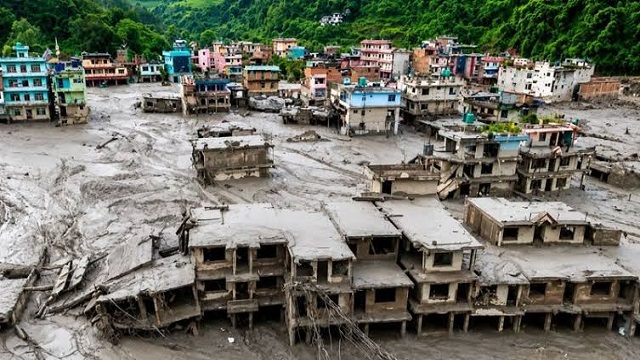
Nepal-Tibet Flood Death Toll Climbs to 1,250
Rescue teams are facing serious difficulties as they continue searching for people missing after devastating floods in the Nepal-Tibet region. The disaster has reportedly caused the death toll to reach 1,250, while many people remain missing and thousands have been forced to leave their homes.
Heavy rainfall has caused rivers to rise rapidly, sending large amounts of water, mud, and debris into nearby communities. The situation has made rescue operations extremely dangerous, especially in the mountainous areas of the Himalayas.
Rescuers are struggling to reach people who may be trapped inside tunnels near the Bhotekoshi River and underground power facilities. Large piles of rocks, mud, and other debris have blocked access to several locations. Rescue workers must carefully clear the damaged areas while dealing with continuing bad weather.
Hundreds of families have been affected by the disaster. Many people have lost relatives, while homes and entire sections of villages have been damaged or destroyed. Roads and bridges have also been washed away, making it difficult for emergency teams to reach people who need food, water, medicine, and shelter.
The floods have also caused major damage to important infrastructure. Two large hydroelectric power stations have been affected, adding to the problems faced by communities and authorities. Damage to power facilities could also create difficulties for people who depend on electricity and for rescue teams working in affected areas.
The mountainous landscape is making the rescue operation even harder. Narrow roads, unstable slopes, fast-moving water, and falling rocks are creating additional risks for emergency workers. Officials must move carefully to avoid putting rescue teams in greater danger.
Thousands of residents have been evacuated from areas considered unsafe. Many families are now staying in temporary shelters or with relatives while authorities assess the damage and search for safer locations.
In some remote areas, people remain cut off because roads and communication networks have been damaged. With transport routes blocked, delivering emergency supplies has become a major challenge. Rescue teams are working to reopen roads and establish communication with isolated communities.
Authorities and emergency workers are continuing their search for missing people. Their main priority is to reach locations where survivors may still be trapped and provide immediate assistance to those who have escaped the disaster.
The scale of the destruction means that the affected communities will need support even after the rescue operation ends. Rebuilding homes, roads, bridges, power facilities, and other infrastructure could take a long time.
The disaster has also highlighted the risks faced by communities living in mountainous areas during periods of extreme rainfall. Officials are expected to review emergency plans and safety measures as they continue dealing with the aftermath.
For now, rescue workers remain focused on saving lives and reaching people who are still missing. Despite dangerous conditions and difficult terrain, teams are continuing their efforts as authorities call for more support to help the thousands of people affected by the floods.