
Scrub Typhus Explained: Understanding a Deadly Fever
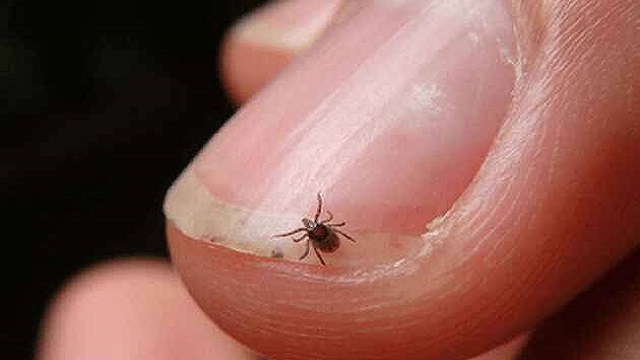
Scrub typhus is a bacterial infection that is different from mosquito-borne diseases such as dengue. It is caused by the bacterium Orientia tsutsugamushi and spreads through the bites of infected chiggers, which are tiny larval mites. These mites can be found in areas with grass, bushes and other vegetation.
The infection is common in parts of Asia, including India, particularly in areas where people come into contact with vegetation that can harbour the mites. Because the disease can initially look similar to other infections that cause fever, recognising the symptoms early is important.
Common symptoms include high fever, headache, chills, body and muscle pain and, in some patients, a skin rash. Some people may also develop an unusual dark, scab-like mark called an eschar at the site of the mite bite. Swollen lymph nodes and changes in mental condition can also occur in more serious cases.
Symptoms usually develop several days after infection and may begin around one to two weeks after exposure. Because the early symptoms can resemble dengue, viral fever and other infections, people with persistent high fever should seek medical attention rather than trying to diagnose the illness themselves.
Early treatment is important because untreated scrub typhus can become severe. Complications may include pneumonia, inflammation of the brain, bleeding and damage to organs such as the kidneys and liver. In severe cases, the infection can become life-threatening.
Doctors may use blood tests and other laboratory methods to help confirm the infection. However, treatment should not necessarily be delayed while waiting for test results when scrub typhus is strongly suspected. Healthcare professionals may begin treatment based on the patient’s symptoms, medical history and possible exposure.
Antibiotics are used to treat scrub typhus. Doxycycline is the usual treatment recommended by the CDC, and it works best when started early. The exact medicine and treatment duration should be decided by a qualified doctor based on the patient’s age, condition and other medical factors.
People can reduce their risk by avoiding unnecessary contact with dense vegetation and brush in areas where scrub typhus occurs. When spending time outdoors, appropriate clothing and insect or mite repellents can provide additional protection. There is currently no vaccine available to prevent scrub typhus.
The disease is also receiving attention in parts of India, including reports concerning areas around Anna University in Chennai. Such reports highlight the importance of awareness, especially when people develop unexplained fever after spending time in areas with grass or dense vegetation.
Scrub typhus can be treated successfully when recognised early. Anyone who develops a persistent high fever, rash, severe body pain or other concerning symptoms after possible exposure should consult a doctor promptly. Early medical evaluation and appropriate antibiotic treatment can help prevent serious complications.