
India Joins G20 on Energy, Water, and Critical Minerals
India has joined other G20 members in adopting four consensus outcomes focused on household energy access, infrastructure development, water reuse and critical-mineral supply chains. The agreements were reached during the three-day G20 Energy Abundance Ministerial held in Houston, Texas, from September 14 to 16, 2026.
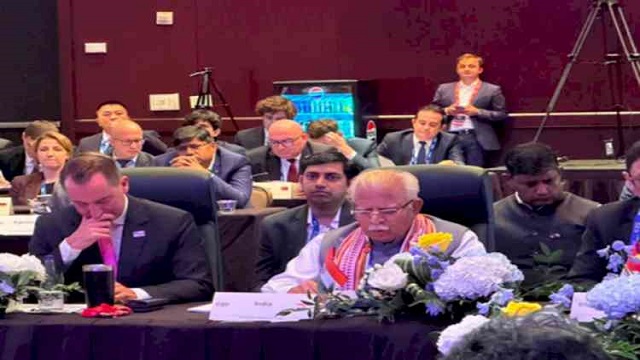
The meeting was hosted by the White House National Energy Dominance Council along with the US departments of Energy and the Interior and the Environmental Protection Agency. Union Minister Manohar Lal led the Indian delegation at the meeting, where discussions focused on energy security, regulatory efficiency and critical minerals.
One of the key outcomes focused on expanding access to household energy. The G20 supported affordable and scalable options, including liquefied petroleum gas (LPG), where it can help replace traditional biomass for cooking. The aim is to help households, particularly in developing countries, gain access to more reliable cooking-energy options.
The countries also agreed to promote faster and more predictable approval processes for energy and infrastructure projects. The outcome encourages governments to improve permitting and regulatory procedures so that important projects can move forward with greater clarity and fewer administrative delays.
Another major outcome was the launch of a voluntary G20 Water Reuse Initiative. The programme promotes the recycling and reuse of treated water according to its intended purpose and quality requirements. It covers areas including agriculture, manufacturing, energy production, communities and other sectors.
The initiative follows a “fit-for-purpose” approach, meaning water would be treated to the level required for its intended use rather than applying one standard to every situation. The G20 said water reuse can help reduce pressure on freshwater resources and improve resilience in areas facing water shortages.
The fourth outcome focused on critical minerals, which are important for modern industries, energy systems, digital infrastructure and emerging technologies. G20 members agreed to voluntary cooperation aimed at creating more secure, diversified and resilient mineral supply chains.
The cooperation includes information sharing, research, innovation, investment, capacity building and efforts to increase local value addition. The agreement also recognises that countries have different approaches to managing their natural resources and therefore emphasises voluntary cooperation.
India’s participation in the four outcomes reflects its interest in reliable energy supplies, improved infrastructure, efficient water management and secure access to critical minerals. The agreements are consensus-based and voluntary, with implementation depending on individual countries and their domestic policies.
The Houston meeting therefore produced a broad framework for cooperation among G20 members on some of the key challenges facing energy, infrastructure, water resources and mineral supply chains.