
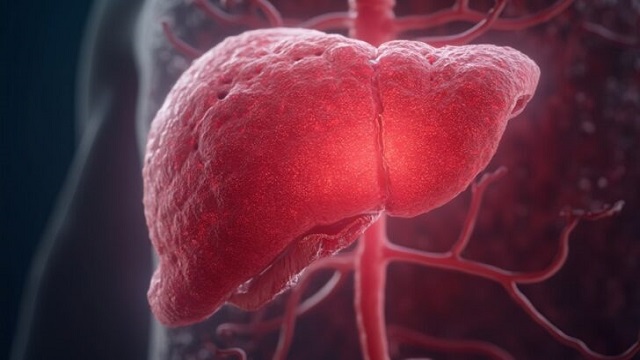
India Aims to Eliminate Hepatitis B and C by 2030
India has reaffirmed its commitment to eliminate Hepatitis B and Hepatitis C as public health threats by 2030. Union Health Secretary Punya Salila Srivastava highlighted the country’s efforts during the “Advancing Global Action to Eliminate Hepatitis” side event held during the 81st session of the United Nations General Assembly in New York.
Srivastava explained that India is following a comprehensive and people-centred approach to tackle viral hepatitis. The strategy covers prevention, screening, early diagnosis, treatment and continued care for people affected by the disease.
India’s National Viral Hepatitis Control Programme, launched in 2018, focuses on increasing awareness, preventing new infections and improving access to diagnosis and treatment. The programme also provides free diagnostic services and medicines for eligible patients through the public health system.
Prevention measures include Hepatitis B vaccination, including the birth dose, along with safe blood transfusions and injection-safety measures. The government also focuses on identifying infections early so that people can receive appropriate treatment and medical care.
Srivastava highlighted the importance of strengthening interventions at different stages of healthcare. These include screening during pregnancy, vaccination, testing, treatment and support for vulnerable groups. India also works with other health programmes to improve access to services for people at higher risk of viral hepatitis.
The Health Secretary also stressed the need for stronger international cooperation. She called for fair access to prevention, testing and treatment and highlighted the importance of resilient health systems to achieve the global 2030 targets.
India’s efforts are part of the wider global goal under the Sustainable Development Goals to combat viral hepatitis by 2030. The country’s National Viral Hepatitis Control Programme specifically aims to achieve nationwide elimination of Hepatitis C and significantly reduce infections and deaths linked to Hepatitis B and C.
Recent government data also shows the scale of the ongoing programme. Between 2018 and September 2025, nearly 18.23 crore people had been screened under the national programme, while more than 5.46 lakh people with viral hepatitis had received treatment.
India’s renewed commitment at the UN General Assembly highlights the country’s focus on prevention, early detection and treatment as it works toward the 2030 hepatitis elimination targets.