
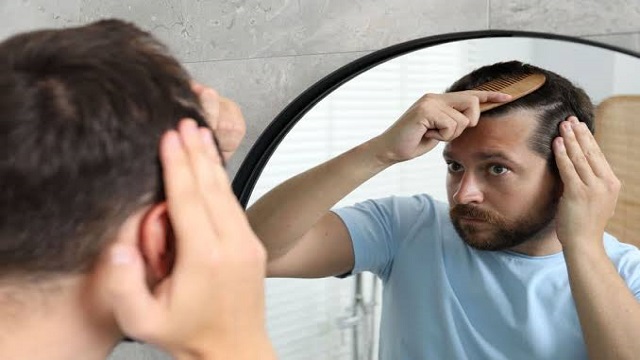
Hair Loss in Young Indian Men: Understanding the Causes
Hair loss at a young age has become a growing concern for many men in India. Some young men notice thinning hair or a receding hairline in their late teens or twenties and often wonder whether stress, diet, lifestyle or genetics could be responsible.
Stress can affect the normal hair growth cycle. Young people today may face pressure from studies, work, financial responsibilities and personal life. High or prolonged stress can sometimes cause increased hair shedding. In some cases, hair growth may return to normal after the underlying stress is reduced.
Diet and nutrition are also important for healthy hair. The body needs adequate nutrients to support normal hair growth. Nutrients such as iron, zinc, vitamin D and protein play important roles in overall health. Poor eating habits or restrictive diets can sometimes result in nutritional deficiencies that contribute to hair shedding. However, taking supplements without identifying a deficiency is not always necessary and may sometimes be harmful.
Genetics remains one of the major factors behind male-pattern hair loss. Men with a family history of hair loss may have a higher chance of developing the condition. Male-pattern baldness can begin relatively early and usually involves gradual thinning around the temples, hairline or crown.
Lifestyle habits may also influence overall hair and scalp health. Smoking, excessive alcohol consumption, poor sleep and a lack of physical activity can affect general health and may contribute indirectly to hair problems. Maintaining healthier daily habits can support overall wellbeing, although lifestyle changes cannot prevent all forms of genetically driven hair loss.
It is also important to remember that hair loss does not always have the same cause. Medical conditions, hormonal changes, scalp disorders, certain medicines and nutritional deficiencies can also lead to increased hair shedding.
Anyone experiencing sudden, severe or persistent hair loss should consider consulting a dermatologist or other qualified healthcare professional. A doctor can examine the scalp, review medical and family history, and recommend appropriate tests or treatment when necessary.
Maintaining a balanced diet, getting adequate sleep, managing stress and following a healthy lifestyle can support overall health. Identifying the actual cause of hair loss, however, is an important first step before choosing a treatment.