
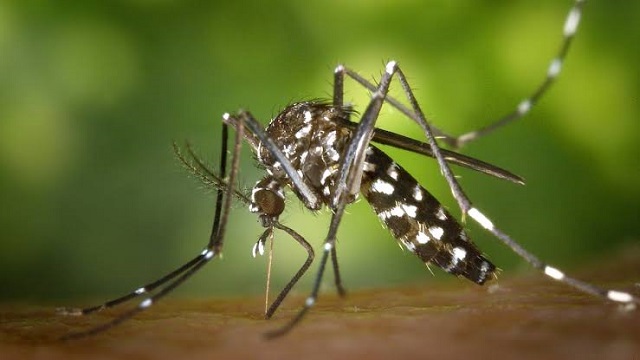
Dengue and Influenza Viruses Circulating in Chennai
Chennai is currently seeing an increase in fever cases, with hospitals reporting patients affected by dengue and influenza. Health experts, however, say the situation remains broadly within the seasonal pattern normally seen during this period of the year.
Doctors explain that influenza spreads mainly from person to person through respiratory infections, while dengue is transmitted through the bite of infected mosquitoes. Although both illnesses can cause fever, their symptoms can be different and should be monitored carefully.
Patients suffering from influenza may develop symptoms such as cold, cough, sore throat, body pain and fever. Dengue, on the other hand, may cause high fever along with severe body pain and headaches, often without typical respiratory symptoms such as cough or a runny nose.
Doctors advise people not to ignore persistent or high fever. Medical attention is particularly important when symptoms become severe or when the patient belongs to a higher-risk group. Elderly people and pregnant women with severe influenza symptoms may require prompt medical care because complications can develop more quickly.
Health experts also point out that dengue cases may not always be immediately visible. If one confirmed dengue case is identified in a locality, there could be other people infected in the same area who have not yet been diagnosed. Doctors therefore recommend monitoring fever cases and taking preventive measures rather than relying only on confirmed case numbers.
Not every person with fever necessarily needs extensive testing. Doctors can decide whether testing is required based on the patient’s symptoms, medical history and physical condition. When dengue is suspected, blood tests can help confirm the infection and monitor important indicators, including platelet levels.
Hospitals in Chennai have reported different levels of pressure on their fever wards. While some facilities have seen wards operating at full capacity, others say the number of patients remains manageable. Doctors say dengue cases are generally expected to increase after the monsoon rains and can remain active through the winter months.
Experts have also observed that some patients are reaching hospitals later than they should. Delayed medical attention can increase the risk of complications, particularly in dengue patients whose condition may worsen after the initial fever begins to decrease.
Parents and residents are being advised to take steps to prevent mosquito breeding around their homes. Standing water in buckets, containers, flowerpots, rooftop areas and other places should be removed regularly, as mosquitoes can breed in small amounts of stagnant water.
Doctors have also highlighted several warning signs that require immediate medical attention in suspected dengue cases. These include severe abdominal pain, repeated vomiting, bleeding, unusual drowsiness and refusal to eat or drink after the fever starts reducing.
Schools also have an important role in controlling the spread of dengue. Authorities and school managements can regularly check their premises for stagnant water and take steps to prevent mosquito breeding, particularly around classrooms, playgrounds and drainage areas.
Health experts say the current increase in dengue and influenza cases needs continued monitoring, but the situation remains within the expected seasonal range. They are advising residents to seek medical advice for persistent fever, avoid self-medication and maintain good hygiene and mosquito-control practices.