
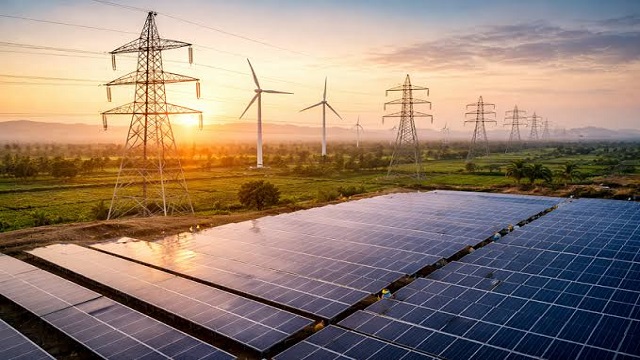
Karnataka Meets 70% Power Demand with Renewables
Karnataka has made major progress in renewable energy, with more than 70% of the state’s electricity needs now being met by renewable sources, according to Energy Minister KJ George.
The achievement highlights the state’s growing focus on clean energy and its efforts to reduce dependence on traditional sources of power. The government is also working to attract more investment in renewable energy projects.
Strong Growth in Solar and Wind Power
Karnataka has expanded its solar and wind energy capacity significantly in recent years. The combined capacity of these two renewable sources has now crossed 20 GW.
Solar energy makes up more than 11.5 GW of the total capacity. Wind power contributes nearly 8.5 GW.
The strong growth in both sectors has helped Karnataka increase its clean power generation and move closer to its long-term energy goals.
Solar Power Leads Growth
Solar energy has become one of the most important sources of renewable electricity in Karnataka.
The state has suitable conditions for large-scale solar projects, and many projects have been developed in different regions. The expansion of solar power has helped increase the amount of electricity produced without relying on fossil fuels.
The government plans to continue supporting solar projects as part of its wider clean-energy strategy.
Wind Energy Also Important
Wind power is another major part of Karnataka’s renewable energy sector. With nearly 8.5 GW of installed capacity, wind energy makes an important contribution to the state’s electricity supply.
The combination of solar and wind power gives Karnataka a diverse renewable energy system. Increasing capacity in both areas could help the state meet rising electricity demand in the future.
Focus on Reducing Carbon Emissions
The expansion of renewable energy is also linked to Karnataka’s efforts to reduce carbon emissions.
Traditional power generation based on fossil fuels can produce large amounts of greenhouse gases. Increasing the use of renewable sources can help reduce the environmental impact of electricity production.
The state government believes that clean energy can support economic development while also protecting the environment.
Attracting Private Investment
Minister KJ George has stressed the importance of attracting private investment to the renewable energy sector.
Large renewable energy projects require significant investment in areas such as power plants, transmission networks, storage systems and other infrastructure.
The government hopes that creating opportunities for private companies will help Karnataka expand its renewable energy capacity faster.
Preparing for Future Energy Needs
Karnataka’s electricity demand is expected to grow as industries, businesses, cities and households continue to expand.
Minister George said the state must continue developing renewable energy infrastructure to meet future demand in a responsible way.
Increasing clean power capacity can help Karnataka prepare for higher electricity consumption while supporting its environmental goals.
Need for Better Infrastructure
As renewable energy production increases, the state will also need stronger transmission and distribution infrastructure.
Solar and wind power can vary depending on weather and other conditions. This makes reliable power networks and energy storage increasingly important.
Investments in modern infrastructure will therefore be important for making full use of the state’s growing renewable energy capacity.
Towards a Cleaner Future
Karnataka’s renewable energy progress reflects the state’s wider effort to build a cleaner and more sustainable power system.
With more than 20 GW of combined solar and wind capacity, the state has already made significant progress. However, continued investment and infrastructure development will be necessary to meet future requirements.
The government says it will continue to support renewable energy projects, attract investment and expand clean power generation.
Karnataka’s growing renewable energy sector could play an important role in meeting the state’s future electricity needs while reducing its environmental impact.