
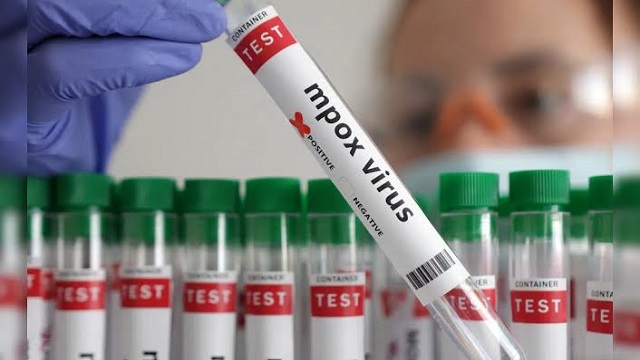
Mpox Cases Found in Kerala and Telangana
A new study led by the Indian Council of Medical Research (ICMR) has found evidence of past exposure to mpox virus among a small number of people in India who did not report recent international travel, contact with suspected mpox cases or animal exposure.
The multicentre study tested blood samples from 1,790 participants across several locations in India. Researchers found that 14 people, or 0.78% of those tested, had IgG antibodies against mpox virus. None of the 14 participants had IgM antibodies, which are generally associated with a more recent infection.
The findings are significant because the 14 people who tested positive did not report international travel, contact with suspected mpox cases or animal exposure during the 21 days before their samples were collected. This suggests that at least some of the antibody evidence could reflect exposure that was not linked to the commonly recognised travel-related routes.
Researchers also carried out a plaque reduction neutralisation test (PRNT50) on the 14 IgG-positive samples. Nine of the 14 samples showed functional neutralising antibodies against mpox virus. The researchers also found evidence of cross-reactive immunity to Vaccinia virus in 13 of the 14 samples.
However, the presence of antibodies does not necessarily mean that all 14 people had a confirmed mpox infection. The study notes that antibodies can reflect previous exposure to related Orthopoxviruses, and the researchers found evidence of cross-reactivity with Vaccinia virus.
The study found IgG-positive participants in Delhi-NCR, Kerala, Telangana, Punjab and Mizoram. No positive samples were detected among participants from Maharashtra, West Bengal or Nagaland. The overall positivity rate remained low at 0.78%.
Researchers said the absence of IgM antibodies among the positive participants provided no evidence of recent or ongoing infection at the time of the survey. They interpreted the findings as evidence of limited and sporadic past exposure, rather than evidence of widespread community transmission.
The findings add to India’s surveillance of mpox, a viral disease caused by the mpox virus. ICMR’s National Institute of Virology in Pune has been involved in mpox surveillance and research, including national sentinel surveillance.
The researchers stressed that the results should be interpreted carefully because the study involved selected key populations rather than the entire Indian population. The findings therefore cannot be used to estimate the level of mpox exposure among all people in India.
The study provides researchers with additional information about the circulation and past exposure of Orthopoxviruses in India. It also highlights the importance of continued surveillance to identify infections and understand how people may be exposed when there is no clear history of travel, animal contact or contact with a known case.