
Social Unrest Ignites Across Europe
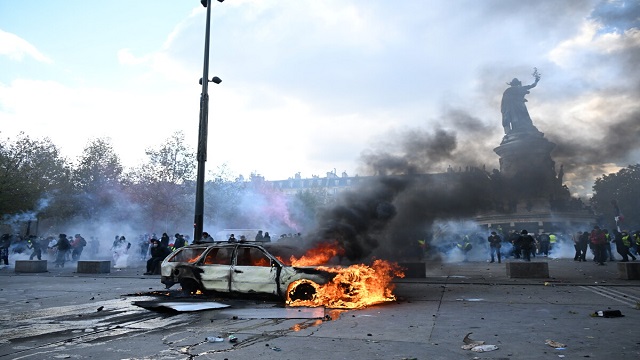
Several European countries are facing growing public protests as people struggle with rising living costs, housing shortages, and problems in public services. High fuel prices, concerns about education, poor working conditions, and rising rents have added to public frustration. In recent weeks, cities including Paris, Rome, and Tirana have witnessed demonstrations, with some protests ending in clashes between protesters and police.
Young people are among those expressing strong dissatisfaction. Many feel uncertain about their future because of difficulties finding stable jobs, paying for housing, and accessing good education. Their concerns have added to wider public anger over the rising cost of living and a lack of opportunities.
Political tensions have also increased as different groups offer competing explanations for the unrest. Some far-right politicians have blamed immigration for the problems, while other groups have focused on economic inequality and government policies. In France, President Emmanuel Macron has condemned the violence and accused far-left activists of trying to destabilise the country.
Protests have also taken place in Spain and Portugal, where rising rents and a shortage of affordable homes have become major concerns. In some city centres, people have set up tent camps to highlight the difficulties faced by those who cannot afford housing. In Madrid, teachers have also taken strike action over working conditions, while students and local residents have called for measures to make housing more affordable.
Italy has witnessed demonstrations under the slogan “Italia in Piazza”. Thousands of people have reportedly taken to the streets to demand better jobs, higher wages, improved healthcare, and stronger public education services. Many protesters say their earnings are not keeping pace with inflation and that everyday expenses are becoming increasingly difficult to manage. However, some demonstrations have turned violent, including clashes with police in Milan and reports of fires being set in buildings.
In Albania, anti-government protests are continuing, with students joining wider public movements calling for Prime Minister Edi Rama to resign. Protesters have raised concerns about corruption and demanded better access to healthcare and education. Their demonstrations reflect wider dissatisfaction with the country’s political leadership and public services.
The protests across Europe highlight the challenges governments face in responding to economic pressure and public anger. While many demonstrators are calling for peaceful reforms, violence during some events has raised concerns about public safety and political stability.
As living costs and housing problems remain major issues, governments are under pressure to respond to people’s demands. The situation in the coming months will depend partly on whether authorities can address these concerns and find solutions that improve people’s daily lives.