
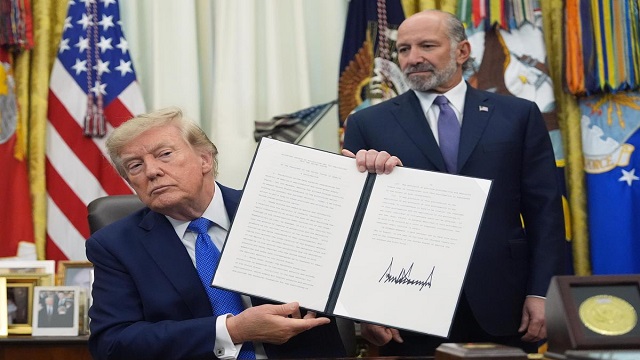
Trump Signs Immigration Orders to Limit Citizenship Rights
US President Donald Trump has announced new executive actions aimed at restricting birthright citizenship and reducing birth tourism in the United States. Speaking on Thursday, August 6, 2026, Trump said his administration is taking fresh steps to change how citizenship rules are applied, even after an earlier attempt faced legal challenges.
The first executive action is intended to reduce the number of people who can automatically receive US citizenship simply because they were born in the country. The administration says it wants to apply citizenship laws more strictly and limit eligibility in certain cases.
The second executive action targets birth tourism. Birth tourism refers to the practice of foreign nationals traveling to the United States mainly to give birth so that their child can receive US citizenship. Trump said the government will take stronger action to discourage and prevent this practice.
Trump argued that both executive actions are constitutional and necessary to protect the country’s immigration system. However, he did not provide many details about how the new measures will be implemented or how they will affect existing laws.
These announcements come after the US Supreme Court ruled in June 2026 against an earlier effort by the Trump administration to deny automatic citizenship to children born in the United States to undocumented immigrants. The Court upheld the long-standing interpretation of the Fourteenth Amendment, which guarantees birthright citizenship to most children born on US soil.
The latest executive actions are expected to face legal challenges, as critics argue that birthright citizenship is protected by the US Constitution. Supporters of the measures, however, believe they will help strengthen immigration enforcement and prevent misuse of the citizenship system.
The issue of birthright citizenship has remained one of the most debated topics in US politics. Trump’s latest actions are likely to lead to further court battles and renewed public discussion over immigration policy and constitutional rights.