
Why a U.S. Court Reversed Trump’s Media Ban
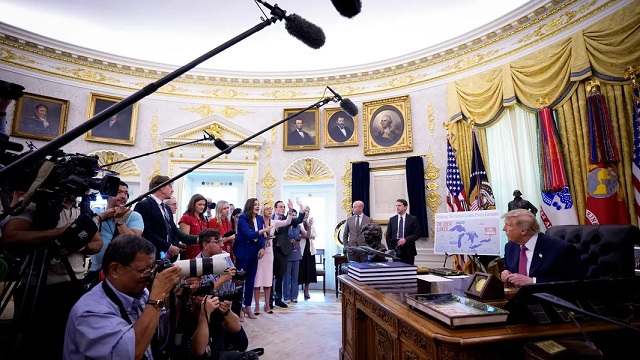
A federal court recently stopped President Donald Trump from carrying out his ban on three media outlets: CNN, MS-NOW, and Politico. The president had accused these outlets of spreading “fake news” and claimed their reporting threatened national security. However, the judge ruled that revoking the journalists’ access without proper process likely violated their constitutional rights.
The White House argued that access to the press should not be a right but a privilege and pointed to past actions by previous administrations targeting media. They provided examples of what they called biased reporting by these outlets.
Despite this, Judge Tim Kelly, appointed by Trump, found the reasons for the ban too vague and questioned the administration’s focus on national security after initially citing negative reporting. He granted a temporary restraining order, allowing the banned outlets to continue their work while the case is reviewed further.
The Justice Department defended Trump’s authority to control who enters the White House, but attorneys for the media outlets argued that the ban was motivated by political reasons rather than genuine concerns about security or accuracy. They emphasized that the First Amendment protects press freedom.
Major media organizations supported the banned outlets, leading to a boycott of covering Trump’s events. This resulted in limited coverage of several White House activities.
The case highlights ongoing tensions between the White House and the media, with both sides presenting their arguments in court.