
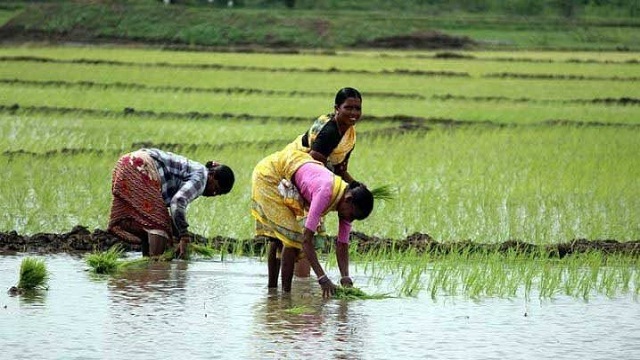
Hidden Farmers Suffering in Telangana and Andhra Pradesh
The lives of tenant farmers in Telangana and Andhra Pradesh are becoming increasingly difficult. These farmers do not own the land they cultivate. Instead, they rent farmland from landowners and depend on the crops they grow for their income.
Tenant farming is common in several parts of both states. Every year, more farmland is being cultivated by people who do not own the land. While farming gives these workers a way to earn a living, they often face greater financial risks than farmers who own their land.
One of the biggest problems is the rising cost of land rent. Tenant farmers have to pay rent before they can begin cultivation. This puts financial pressure on them even before they spend money on seeds, fertilisers, pesticides, labour, electricity, and other farming needs.
The cost of agricultural inputs has also increased in recent years. Farmers have to spend more money to grow their crops, while the prices they receive for their produce may not rise at the same rate.
When crop prices remain low, tenant farmers can struggle to recover the money they have invested. After paying land rent and other expenses, very little may be left as profit.
Weather conditions add another major challenge. Heavy rainfall, drought, floods, and other extreme weather events can damage crops and leave farmers with large financial losses. Since tenant farmers do not own the land, recovering from such losses can be especially difficult.
Access to loans and government support can also be a problem. Land ownership documents are often important when applying for institutional credit or certain agricultural benefits. Since tenant farmers cultivate land belonging to someone else, some may find it harder to access these services.
As a result, many tenant farmers depend on private lenders or borrow money from other sources to meet their farming expenses. High debt can add to the financial pressure when crops fail or market prices fall.
Another concern is the uncertainty surrounding land agreements. Many tenant farmers depend on informal arrangements with landowners. Without clear and secure agreements, they may face difficulties planning their farming activities for the long term.
Despite these challenges, tenant farmers play an important role in agriculture. They help keep large areas of farmland productive and contribute to the supply of food crops to markets and consumers.
The growing difficulties faced by these farmers have highlighted the need for better support systems. Easier access to affordable loans, crop insurance, fair market prices, and government assistance could help reduce their financial burden.
Experts and farmer groups have also called for greater recognition of tenant farmers in agricultural policies. Providing them with stronger financial and legal support could help protect them from extreme losses.
For many tenant farmers in Telangana and Andhra Pradesh, farming remains their main source of income despite the risks. Rising costs, uncertain weather, high land rents, and low profits are making their situation increasingly difficult.
The problems faced by these farmers show that improving agriculture is not only about increasing crop production. It is also important to ensure that the people who actually cultivate the land have enough support to earn a stable and secure livelihood.